
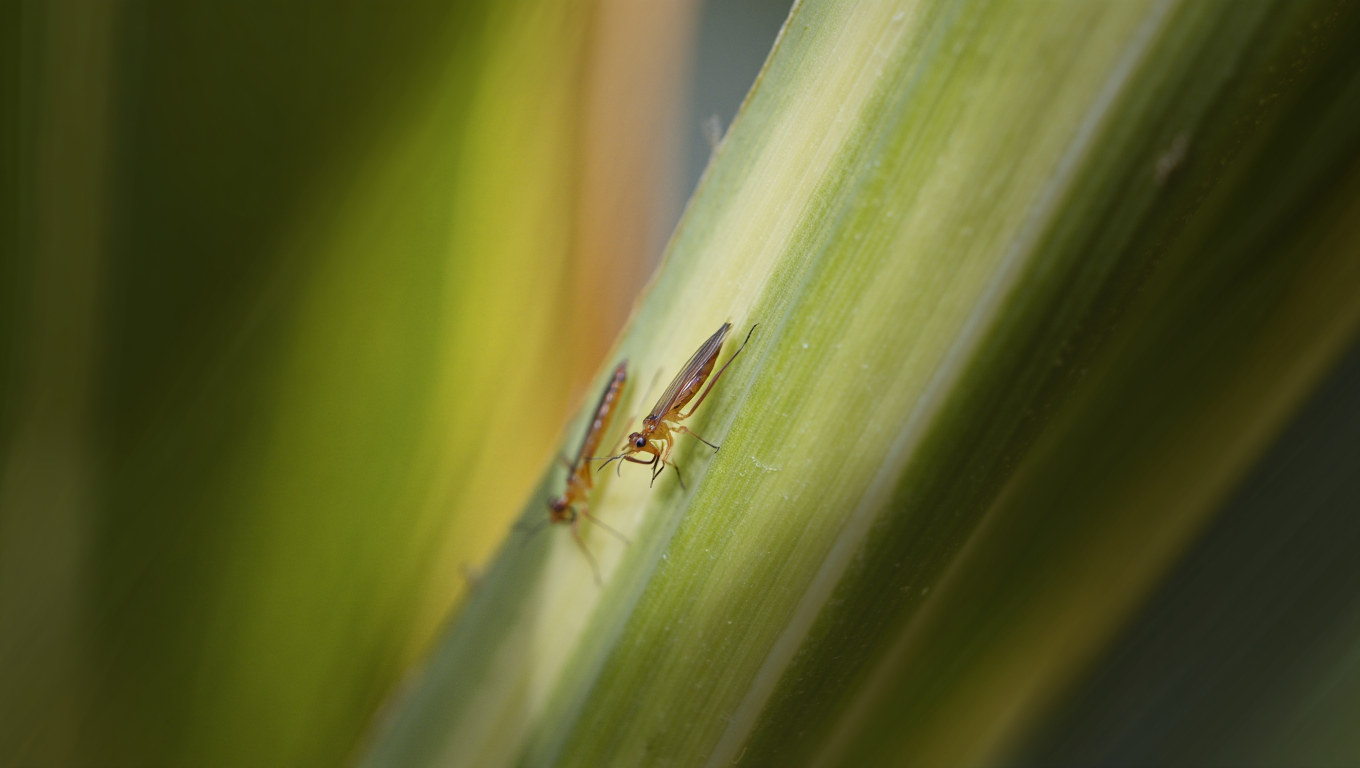
Why Are Thrips in Your House and How Do You Get Rid of Them?
April 1, 2026 9:18 pmIf you have recently noticed tiny, slender insects around your windows, houseplants, or light fixtures, you are not alone. Discovering thrips in your house can feel both confusing and frustrating, especially when they seem to appear out of nowhere and multiply quickly. These pests are incredibly small, often going unnoticed until their presence becomes difficult to ignore.
At Pied Piper Pest Control, we regularly help homeowners across Alaska identify and resolve pest issues that are not always as straightforward as they seem. Thrips fall squarely into that category. They are not your typical household pest, and their presence is usually tied to something specific happening inside your home, often involving plants, seasonal changes, or environmental conditions.
The good news is that thrips can be managed effectively once you understand why they are there and how they operate. Let’s walk through what is causing the issue, whether you should be concerned, and most importantly, how to get rid of them and keep them from coming back.
Why Thrips Enter Homes
Thrips are primarily outdoor insects that feed on plants. They are commonly found in gardens, landscapes, and agricultural settings, where they pierce plant tissues and feed on the contents inside. However, under the right circumstances, they can make their way indoors and settle in surprisingly well.
How thrips in house problems start with plants
In most cases, thrips in your house start with plants. This can include both indoor houseplants and outdoor plants that are brought inside temporarily. Thrips often hitch a ride on leaves, stems, or soil, entering your home without any obvious signs at first.
Once inside, they begin feeding on plant material just as they would outdoors. You may notice subtle damage such as silvery streaks on leaves, tiny black specks (which are their droppings), or distorted growth in new leaves. These signs often appear before you ever see the insects themselves.
Because thrips are so small and reproduce quickly, a single affected plant can turn into a larger issue in a relatively short amount of time. If multiple plants are present, they can easily move between them, spreading the infestation throughout your home.
Another common entry point is through open windows or doors, especially during warmer months. Thrips are attracted to light and can be drawn indoors in the evening, where they may settle on nearby plants or surfaces.
Seasonal thrips activity indoors
Seasonality plays a significant role in thrips activity. During warmer months, thrips populations tend to increase outdoors, which raises the likelihood of them finding their way inside. In Alaska, where seasonal changes are more pronounced, these shifts can create unique pest patterns.
As temperatures begin to drop, thrips may seek shelter indoors, particularly in homes with accessible entry points or abundant plant life. Once inside, the stable indoor environment allows them to continue feeding and reproducing without the challenges they would face outdoors.
Additionally, indoor heating during colder months can create dry, warm conditions that certain thrips species tolerate quite well. This means that even when outdoor activity decreases, indoor infestations can persist if not addressed.
Are Thrips Harmful Indoors?
One of the first questions we hear from homeowners is whether thrips pose a risk to people or pets. The answer is reassuring. Thrips are not known to bite humans or cause structural damage to homes. However, that does not mean they are harmless.
Their primary impact is on plants. Thrips feed by puncturing plant cells and extracting their contents, which can weaken plants over time. For avid plant owners or anyone who takes pride in their indoor greenery, this can be a significant concern.
In larger numbers, thrips can also become a general nuisance. You may find them on windowsills, walls, or even on your skin, although they are not interested in staying there. Their presence can make your living space feel less comfortable, especially when they seem to appear in multiple areas.
Another important consideration is how quickly thrips can reproduce. A small population can grow rapidly under the right conditions, making early intervention key. What starts as a minor annoyance can turn into a widespread issue if left unchecked.
Preventing Plant-Related Pest Issues
The most effective way to deal with thrips is to address the conditions that allow them to thrive. This means focusing on plant care, environmental management, and proactive monitoring.
Reducing thrips through plant care
Healthy plants are less attractive to pests and better equipped to withstand minor infestations. Regular plant care can go a long way in preventing thrips from becoming a problem.
Start by inspecting new plants before bringing them into your home. Look closely at leaves, stems, and soil for any signs of pests. Quarantining new plants for a short period can help ensure they are not introducing unwanted insects to your existing collection.
Routine maintenance is equally important. Wipe down leaves to remove dust and debris, which can create hiding spots for pests. Pruning damaged or heavily infested leaves can help limit the spread of thrips and improve overall plant health.
Watering practices also play a role. Overwatering can lead to conditions that attract other pests, while underwatering can stress plants and make them more vulnerable. Finding the right balance helps keep your plants resilient.
If thrips are already present, gentle treatments such as rinsing plants with water or using appropriate plant-safe solutions can help reduce their numbers. Consistency is key, as multiple treatments may be needed to address different stages of their life cycle.
Beyond plant care, it is important to manage your home environment. Keeping windows and doors properly sealed can reduce the chances of thrips entering from outside. Using screens and limiting unnecessary openings during peak insect activity can also help.
Regular cleaning of window sills, floors, and surfaces where thrips may gather can further reduce their presence. While these steps may seem simple, they are highly effective when combined with proper plant care.
Frequently Asked Questions About Thrips in Your House
What are thrips and why are they in my house?
Thrips are tiny plant-feeding insects that usually enter homes by hitching a ride on houseplants or flying in through open windows and doors. Once inside, they settle on indoor plants where they can continue feeding and reproducing.
Are thrips harmful to humans or pets?
Thrips are not harmful to humans or pets. They do not bite, sting, or spread disease. Their main impact is on plants, where they can cause damage by feeding on leaves and new growth.
How do I get rid of thrips in my house quickly?
To get rid of thrips, start by isolating affected plants and rinsing them thoroughly with water. Regular cleaning, pruning damaged leaves, and using plant-safe treatments can help reduce their population. Consistent treatment is important because thrips reproduce quickly.
Can thrips spread from one plant to another?
Yes, thrips can easily spread between plants. They move quickly and can transfer from one plant to another, especially when plants are close together. This is why isolating affected plants is an important first step in controlling an infestation.
Do thrips live in furniture, walls, or carpets?
Thrips do not live in furniture, walls, or carpets like some household pests. They are closely tied to plant material and are usually found on leaves, stems, or nearby surfaces such as windowsills where they gather.
Why do I keep seeing thrips near windows?
Thrips are attracted to light, which is why they often gather near windows. They may also enter through small gaps or open windows, especially during warmer months when outdoor populations are higher.
When should I call a professional for thrips in my house?
You should consider professional help if thrips keep returning despite treatment, if multiple plants are affected, or if the infestation spreads beyond a manageable level. A pest control expert can identify the source and provide a more targeted solution.
Bringing Your Home Back to Comfort
Dealing with thrips in your house can feel like a delicate balancing act between protecting your plants and maintaining a comfortable living space. These pests may be small, but their ability to spread and persist makes them a challenge worth addressing promptly.
At Pied Piper Pest Control, we understand that not every pest problem fits into a one-size-fits-all solution. Thrips require a thoughtful approach that considers both the source of the infestation and the conditions that allow it to continue. Our team works closely with homeowners throughout Alaska to identify the root cause of pest issues and develop targeted strategies that deliver lasting results.
With experience handling a wide range of pests in Alaska’s unique climate, we bring both knowledge and practical solutions to every home we serve. Whether the issue is tied to indoor plants, seasonal changes, or hidden entry points, we take the time to get it right.
If you are noticing persistent thrips activity or want help ensuring your home stays pest-free, Pied Piper Pest Control is ready to assist. Visit https://alaskapest.com/ to learn more about our services or schedule an inspection. A comfortable, pest-free home is not just possible. With the right support, it is well within reach.
Categorised in: Insect Control
This post was written by Pied Piper Team