
Larder beetle control in Alaska should start as soon as you spot the first beetle in a pantry, near stored food, around pet food, or crawling along baseboards and shelves. At Pied Piper Pest Control, we help Alaska homeowners identify the source of the problem, treat active infestations, and reduce the chances of beetles returning. Several beetle species can cause issues indoors, but larder beetles are one of the most common and most frustrating, since they spread quickly once they find food and shelter.
Larder beetles are small, dark beetles with a lighter band across the back, and their larvae are often even more destructive than the adults. They’re drawn to dried meats, grains, pet food, dead insects, animal-based materials, and other organic matter. If they settle into a pantry, storage area, basement, utility room, or wall void, they can contaminate food, damage stored items, and make a home feel impossible to keep clean.
Types of Beetles We Commonly Treat
Not every beetle problem indoors is a larder beetle problem, so identifying the species correctly shapes the whole treatment plan.
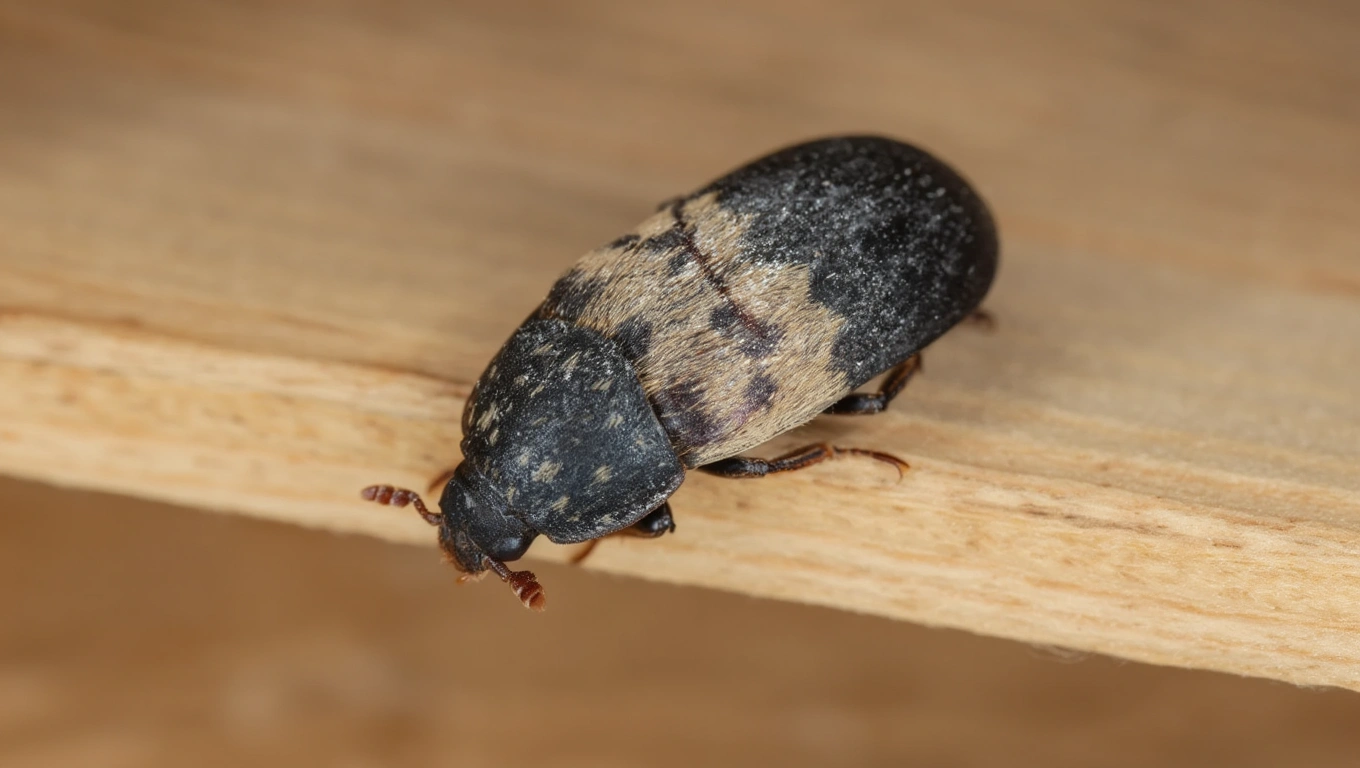
Larder Beetles
Stored-product pests drawn to dried meats, grains, pet food, and other organic matter left in pantries or storage areas.
Carpet Beetles
Associated with damage to natural fibers, fabrics, rugs, and stored materials, especially in low-disturbance areas like closets.
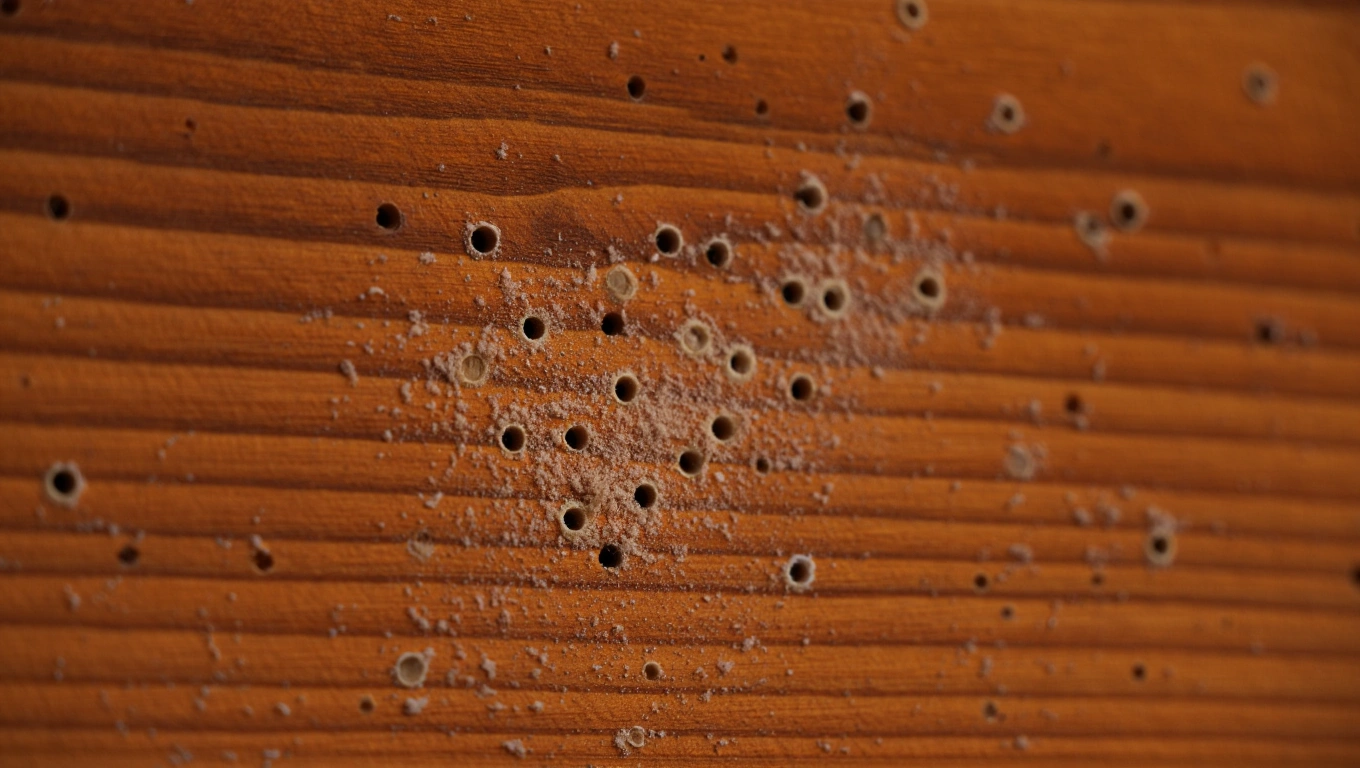
Powderpost Beetles
Wood-boring beetles that leave fine powdery frass and small exit holes rather than pantry damage.
If you’re seeing large black ants alongside beetle activity, or frass-like debris near wood, it’s worth a professional inspection before assuming which species you’re dealing with. If beetles are part of a broader indoor insect issue, our insect control services cover the rest of what’s typically found alongside them.
Beetle Control in Alaska: What You Get With Pied Piper
Decades of pest control work across Alaska homes and businesses
Plans built around the actual food source and harborage, not just visible beetles
Help for pantries, storage areas, and full commercial facilities alike
Experience with insects, rodents, and wildlife issues that often overlap
Practical storage and sealing guidance so the problem doesn’t come back
Identifying the Culprit: Pest Control for Beetles
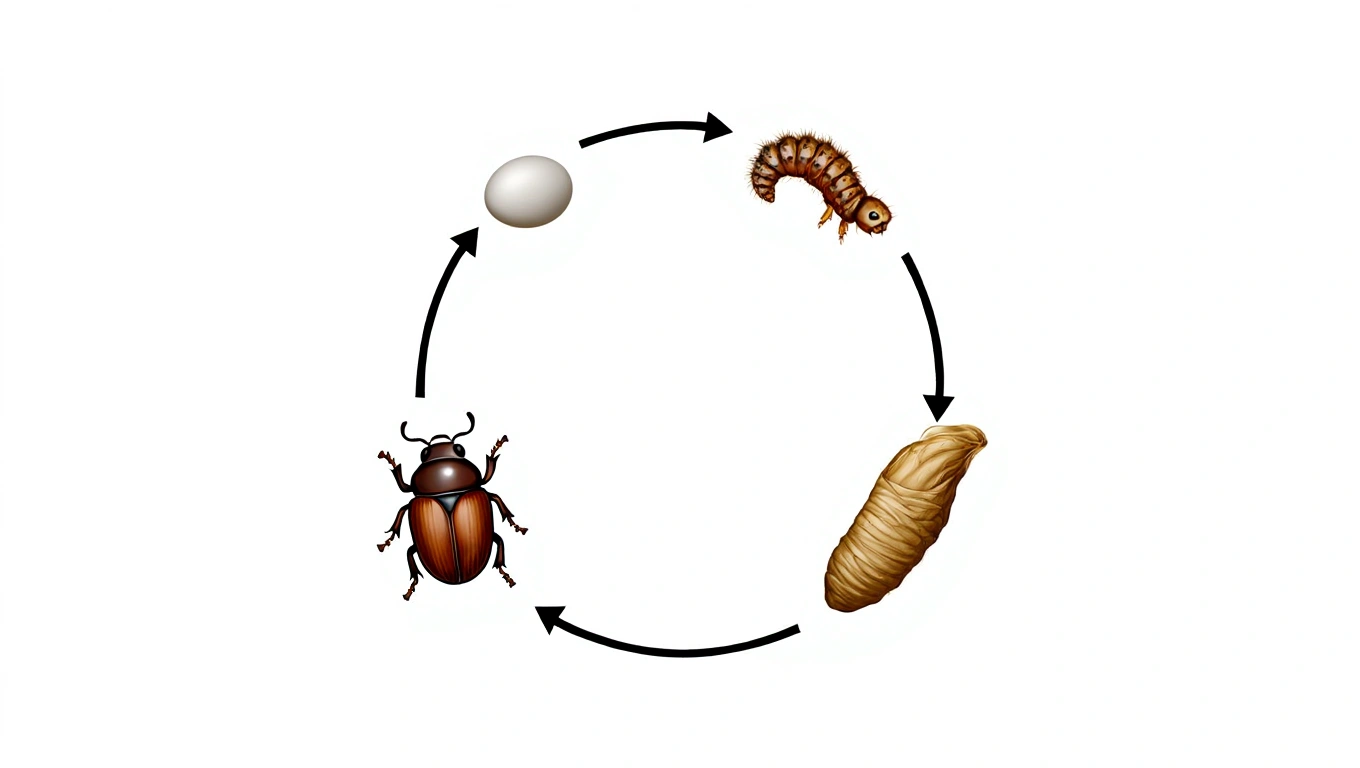
Before treatment starts, it’s important to identify the type of beetle activity happening in the home. Different beetles behave differently, hide in different areas, and require different control approaches. Adult larder beetles are usually about 1/4 to 3/8 inch long with a dark body and a lighter band across the wing covers. Larvae are longer, fuzzy-looking, and often found near food sources, dead insects, or damaged pantry items. Like most stored-product pests, larder beetles move through egg, larva, pupa, and adult stages, and the larval stage is usually responsible for most of the damage to stored goods and materials. For a full breakdown of the timeline, our guide on how long larder beetle control actually takes covers each stage in more depth.
What Are Larder Beetles?
Larder beetles are scavenger pests that feed on a wide range of organic materials, including dried meats, cereals, flour, grains, pet food, dead insects, taxidermy, wool, leather, and carpet fibers. They’re opportunistic, so if something edible or organic is hidden away in a pantry, crawl space, cabinet, garage, or wall void, they may find it. In colder months they often stay tucked into cracks and dark storage areas, then emerge and breed as temperatures rise.
Common Signs You Need a Beetle Exterminator
- Small dark beetles near kitchens, pantries, windows, or baseboards
- Larvae in cabinets, under appliances, or around stored food
- Shed skins, dead beetles, or fine debris near shelves and storage areas
- Damage to pet food bags, boxed foods, or animal-based materials
- A recurring beetle issue even after cleaning
Why Larder Beetles Become a Bigger Problem Than People Expect
Larder beetles aren’t usually dangerous the way biting or stinging pests are, but that doesn’t make them harmless. Once they settle in, they can contaminate food, ruin stored products, and spread into areas of the home you don’t inspect every day.
Homeowners also underestimate how many food sources these beetles can use. They’re not limited to a bag of flour or cereal box. They may be feeding on pet treats in a mudroom, dead cluster flies in a wall void, dry goods in a basement cabinet, or taxidermy tucked away in storage. That’s why surface-level cleaning doesn’t always solve the problem.
Are Larder Beetles Harmful?
Larder beetles are more destructive than dangerous, but they can still:
- Contaminate stored food with activity, shed skins, and waste
- Damage pantry goods, pet food, and stored household items
- Infest fabrics, leather, wool, and similar materials
- Create recurring indoor issues if the food source isn’t found
- Contribute to unpleasant odors in heavier infestations
How to Get Rid of Larder Beetles
Effective larder beetle control isn’t just about killing the beetles you can see. It starts with finding out why they’re there in the first place. If the source remains, the infestation can continue, which is why our approach focuses on inspection, identification, treatment, and prevention.
Find and Remove the Food Source
The first step is locating the material attracting them, which may include dry pantry goods, stored pet food or treats, dead insects in hidden spaces, animal-based materials, taxidermy or wool items, or organic debris in utility areas, garages, or basements.
Remove Infested Items
Any contaminated or infested items should be discarded promptly and carefully. Sealing them before removal helps reduce the chance of spreading beetles to other areas.
Clean the Area Thoroughly
Shelves, floor edges, corners, cabinets, and nearby cracks should be cleaned thoroughly. Vacuuming helps remove larvae, eggs, shed skins, and debris, while wiping down hard surfaces removes food residue and other attractants.
Improve Storage Practices
Dry goods, pet food, and similar materials should be kept in sealed hard plastic or glass containers whenever possible. Thin cardboard and weak packaging are much easier for pests to exploit.
Seal Entry and Harborage Areas
Cracks, crevices, and openings around shelving, trim, baseboards, utility penetrations, and storage areas can give beetles places to hide. Sealing these areas helps reduce future problems.
Treat the Infestation Properly
When the problem is established, professional treatment is often the fastest and most reliable solution. Our team can inspect affected areas, determine where activity is coming from, and apply targeted control where it will actually make a difference.
DIY Cleanup vs. Professional Beetle Control
Some minor beetle problems improve after deep cleaning and throwing out infested items. The trouble is that many infestations aren’t actually minor. If beetles are breeding in hidden food sources, wall voids, dead insect clusters, or stored materials outside the kitchen, DIY cleanup may only reduce visible activity for a short time.
If your home also has rodent or wildlife-related conditions that could contribute to hidden organic food sources, our rodent control team can help identify that overlap. Attic or wall void activity from other animals is worth a look too, and our wildlife control services cover exclusion work when that’s the source.
You may want professional help if:
- The beetles keep coming back after cleaning
- You’re finding larvae in more than one area
- The infestation has spread beyond one pantry or cabinet
- You suspect activity in a crawl space, wall void, attic, or storage area
- You want the source identified instead of guessing
Why Professional Pest Control Matters
Beetle infestations often go unnoticed until they’ve spread well past the original source. National data on pest control habits helps explain why proactive treatment matters more than most homeowners assume:
Sources: National Pest Management Association and the Professional Pest Management Alliance
Other Beetles That May Be Found in Alaska Homes
Depending on the property and conditions, homes may also experience activity from beetle species outside the larder beetle family, along with other stored-product invaders like weevils and grain beetles. Proper identification matters because each problem has different risk areas and treatment priorities.
Carpet Beetles
Carpet beetles are often associated with damage to natural fibers, fabrics, rugs, and stored materials. Their larvae can be especially destructive in closets, under furniture, and in other low-disturbance areas.
Powderpost Beetles
Powderpost beetles are more closely associated with wood damage than pantry activity. If you’re seeing fine powdery frass and small exit holes in wood, a different treatment approach is usually needed compared to a larder beetle infestation.
Frequently Asked Questions
How long does it take to get rid of larder beetles?
It depends on the size of the infestation, how long it’s been active, and whether the food source has been fully identified. Smaller, isolated problems can resolve faster, while larger or recurring infestations tied to hidden food sources typically take longer.
Are larder beetles harmful to people?
They aren’t dangerous the way biting or stinging pests are, but they can contaminate food, damage stored items, and infest fabrics or animal-based materials if left untreated.
Why do larder beetles keep coming back after I clean?
Cleaning up visible beetles doesn’t remove the food source they’re feeding on. Larvae or newly emerged adults often reappear later if the original source, such as a hidden pantry item or dead insect cluster, isn’t found and removed.
Is professional beetle control necessary, or can I handle it myself?
Minor, easily identified problems sometimes resolve with thorough cleaning and discarding infested items. Once activity spreads beyond one area or keeps returning, a professional exterminator is usually faster and more reliable than repeated DIY attempts.
What’s the difference between larder beetles and carpet beetles?
Larder beetles target dried meats, grains, pet food, and other organic matter, while carpet beetles focus on natural fibers like wool, fur, and fabric. Identifying which one you have changes where we look and how we treat it.
Schedule Beetle Extermination Today
If you’re seeing repeated beetle activity in your kitchen, pantry, basement, or storage areas, Pied Piper Pest Control can help you get to the source and treat the problem the right way. Call (907) 344-2538 or contact us to schedule an inspection. If you’re in the Wasilla area, our Wasilla pest control team handles the same larder beetle and stored-product pest issues common in Mat-Su garages and cabins. The same goes for Palmer, where our Palmer pest control team regularly finds beetle activity tied to feed storage and outbuildings. You can also browse our full range of pest control services if beetles aren’t the only concern on your property.