
Ant control in Alaska isn’t just about killing the ants you see. It’s about finding the colony, treating the source, and stopping the reinfestation cycle that store-bought sprays never quite fix. At Pied Piper Pest Control, we provide targeted ant pest control for homes and businesses across Alaska using inspection-first methods built to eliminate colonies, not just knock back what’s visible on the counter.
If you’re seeing ants in kitchens, bathrooms, around windows, or along baseboards, the problem is rarely “a few ants.” Ants are social insects operating in colonies, so visible foragers usually mean a larger issue behind the walls, under a slab, or just outside near the foundation.
Types of Ants We Commonly Treat
Not every ant behaves the same way, which is why a one-size-fits-all spray so often fails. Part of every inspection is narrowing down species and nesting habits before deciding on a treatment approach.
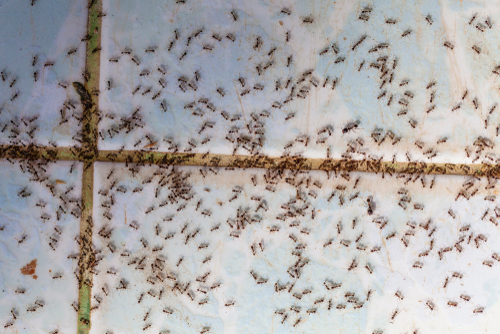
Carpenter Ant Control
Often tied to moisture and softened wood, carpenter ants can nest in structural voids and damp framing.
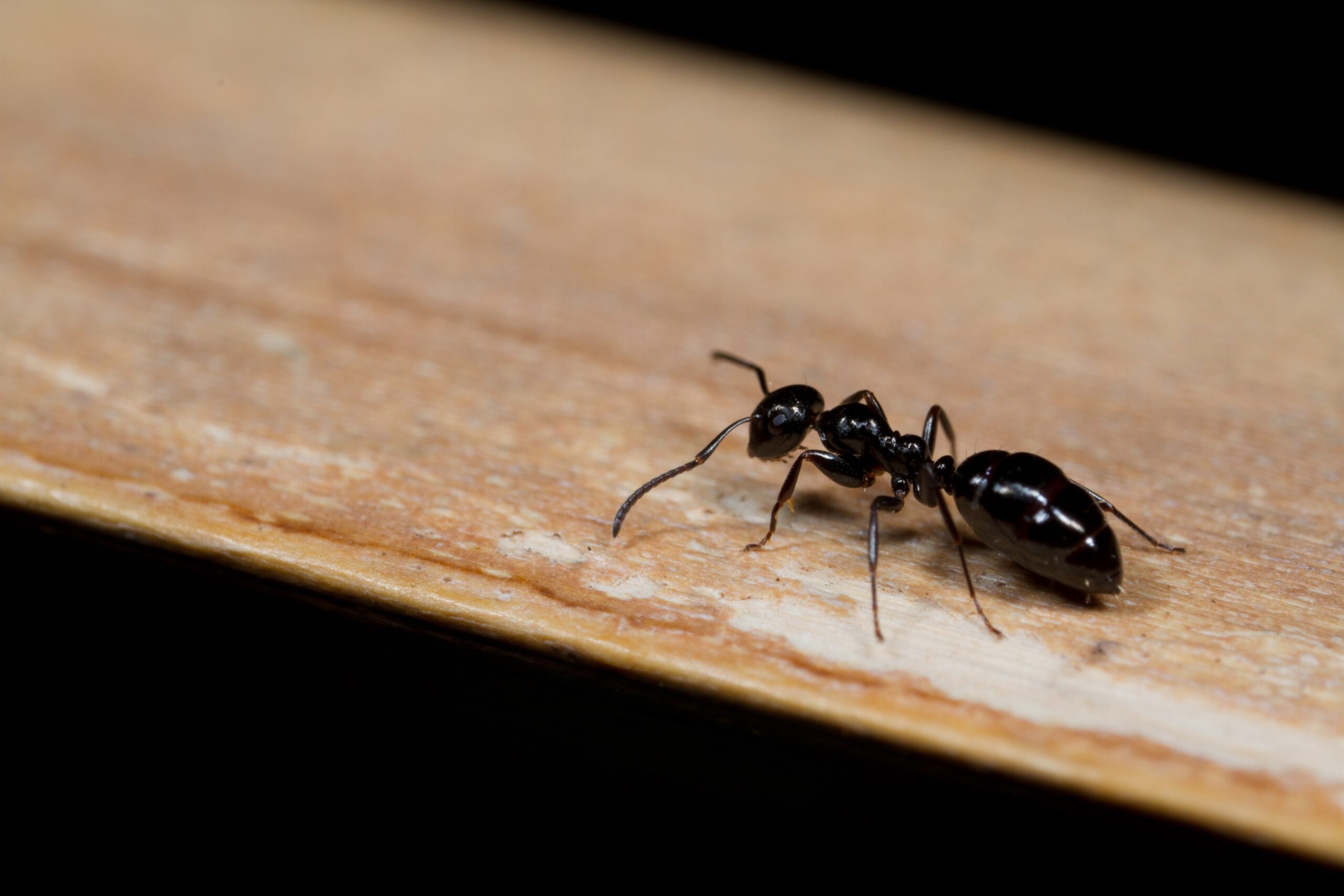
Nuisance Ants
Smaller ants that invade kitchens and pantries chasing sweets, grease, or a nearby moisture source.
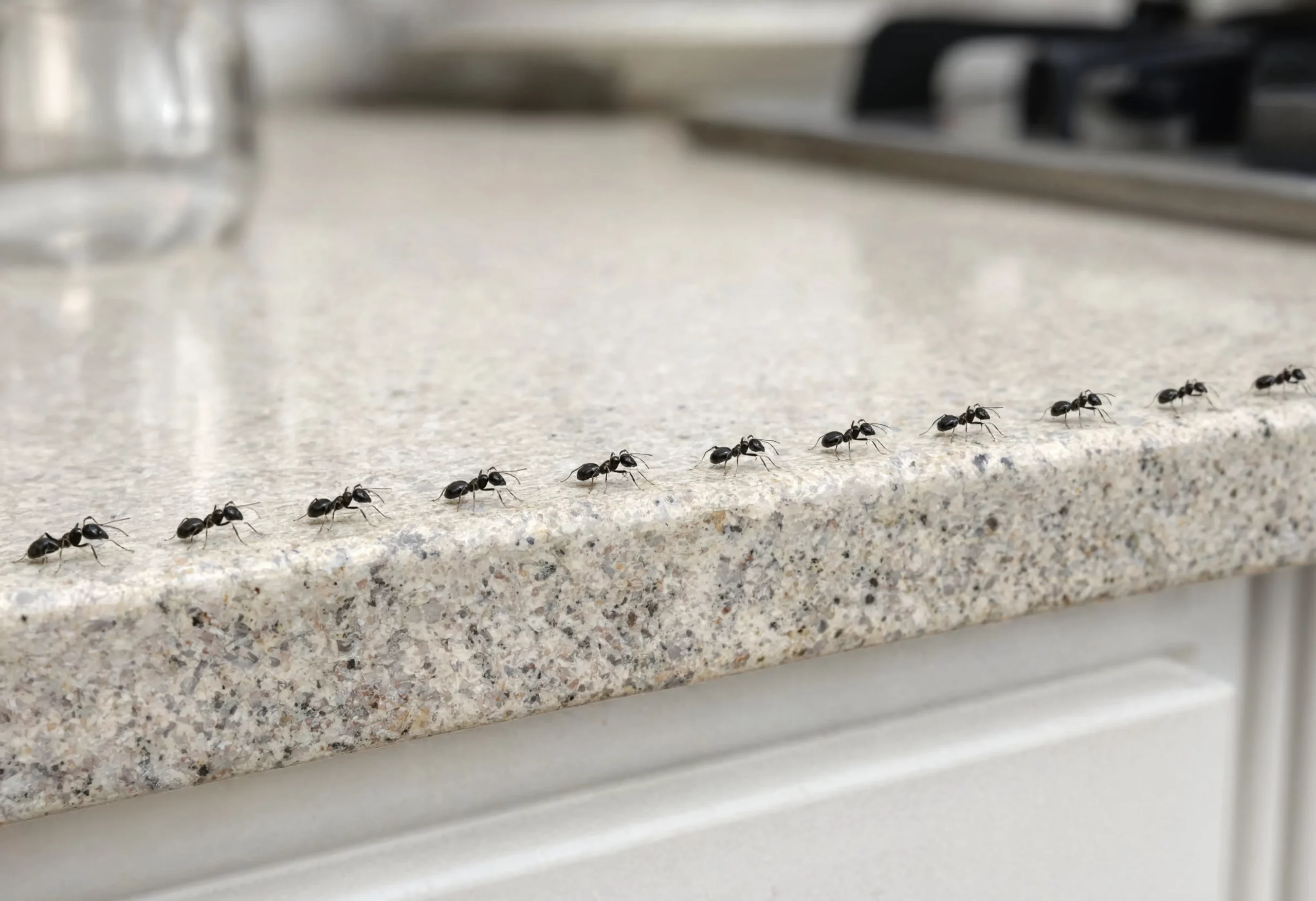
Outdoor-to-Indoor Foragers
Ants trailing in from foundations, landscaping, and exterior cracks as outdoor conditions change.
If you’re seeing large black ants or frass-like debris near wood, it’s worth getting a professional inspection before it becomes a structural concern. For background on regional patterns, our overview of common Alaska pests covers where ants typically fit among other seasonal invaders.
Ant Control in Alaska: What You Get With Pied Piper
We identify the ant species along with nesting and foraging paths before treating anything
Targeted methods designed to reach the nest, not just surface sprays
We check moisture and access points that keep reinfestation risk low
Options for both residential properties and recurring commercial service
Practical steps for what to fix inside and outside to keep ants from coming back
Common Ant Problems in Alaska, and Why DIY Often Falls Short
Why DIY Attempts to Get Rid of Ants Often Fail
Store-bought sprays usually kill the foragers you can see, but the colony keeps producing replacements behind the scenes. Baits can work, though only when the correct bait is matched to the species and conditions, since ants shift food preferences seasonally between sugars, proteins, and fats.
That mismatch is the most common reason a DIY ant exterminator attempt looks successful for a few days and then rebounds.
Signs You Need a Professional Ant Exterminator
- Ants return within days of cleaning or spraying
- Activity shows up in multiple rooms or multiple floors
- Ants appear during cold weather, often a sign they’re nesting indoors
- You suspect carpenter ants, which carry structural wood risk
- Trails lead into walls, behind appliances, or under sinks
Our Ant Extermination Process
Ant control works best when treatment matches the species and how the colony is feeding and moving, so we inspect first rather than guess, then treat the source instead of chasing a temporary win.
- Inspect: We locate trails, entry points, moisture sources, and likely nest zones.
- Identify: Treatment changes depending on species, particularly carpenter ants versus nuisance ants.
- Treat: We use targeted methods designed to reach the colony and disrupt activity at the source.
- Prevent: We provide practical steps, and service options, to reduce return visits.
If ants turn out to be one piece of a larger issue, our broader insect control services cover the rest, and commercial accounts can be set up on a recurring schedule if activity tends to return seasonally.
Ready to Schedule Ant Control in Alaska?
If ants keep returning within days of cleaning, or you suspect carpenter ants near a structural area, an inspection is the fastest way to know what’s actually happening on the property.
What to Expect After a Professional Ant Exterminator Treatment
It’s common to see a short-term spike in activity right after service, especially when baits and non-repellent products are doing their job. That doesn’t mean treatment failed. It often means ants are actively interacting with it and carrying it back to the colony.
First 24 to 72 Hours
Foragers may still be visible while trails break down and the colony is disrupted.
1 to 2 Weeks
Activity typically drops significantly as the colony collapses from within.
Follow-Up if Needed
Some infestations need a second visit depending on nest location, moisture, and species.
Preventing Ants: What Works Long-Term
Indoors
- Fix leaks and reduce condensation wherever moisture collects
- Dry out crawl spaces where possible
- Wipe up spills and store sweets and proteins sealed
- Clean pet food bowls nightly rather than leaving them out
Outdoors
- Trim vegetation back from siding and exterior walls
- Keep debris and woodpiles away from the foundation
- Seal gaps around pipes, windows, doors, and foundation cracks
Ant Problems by the Numbers
Source: National Pest Management Association (Harris Poll surveys)
Numbers like these are exactly why so many ant problems get worse before they get better: most people can’t tell one species from another, so they end up treating the wrong thing. For a deeper look at ant behavior and integrated management strategies, UC ANR’s extension guide is also a solid resource: UC ANR’s ant IPM guide.
Frequently Asked Questions
What is the fastest way to get rid of ants?
The fastest reliable approach is identifying the species, targeting the colony rather than just visible ants, and matching the bait or treatment strategy to how that species feeds. Sprays kill foragers, but colony-focused treatment prevents the rebound activity that follows.
Do you use bait or spray for ant control?
It depends on the species, where they’re nesting, and where activity is occurring. Baits are often best for colony elimination, while targeted non-repellent products and perimeter work help stop reinfestation and entry.
Are carpenter ants a problem in Alaska?
Yes. Carpenter ants can nest in damp or softened wood and often signal an underlying moisture issue. If you suspect carpenter ants, a professional inspection helps confirm the species and locate the nest.
Is your ant control safe for pets and kids?
We focus on targeted applications and follow label directions to minimize exposure. Your technician will review any precautions and re-entry guidance specific to your property.
Why do ants keep coming back after I clean?
Cleaning removes trails and food sources, but it doesn’t remove the colony. Ants may also be entering through tiny gaps or foraging for moisture. The fix is sealing entry points and treating the source directly.
How long does professional ant extermination take?
Most treatments start with an inspection and an initial service visit. You’ll typically see improvement quickly, though full elimination can take additional time depending on colony size, nest location, and species.
Schedule Ant Control Today
Ready to eliminate the infestation and stop the return trips? Call (907) 344-2538 or contact us to schedule ant control service. If you’re in the Wasilla area, our Wasilla pest control team follows this same colony-focused approach. The same goes for Palmer, where our Palmer pest control team handles everything from kitchen ant trails to carpenter ant activity near barns and outbuildings. You can also browse our full range of pest control services if ants aren’t the only concern on your property.