Wildlife control in Alaska is about more than getting an animal out of an attic, crawl space, shed, or wall cavity. The long-term fix usually comes from identifying what got inside, finding the access route, removing the immediate problem, and reducing the chance another animal uses the same opening later. At Pied Piper Pest Control, we provide professional wildlife removal, exclusion, and prevention services for homes and businesses dealing with nuisance animal activity.
Wildlife problems can start quietly. A few scratches above the ceiling, damaged insulation, torn vent screening, droppings near a crawl space, or repeated activity around one roofline may be the first sign that an animal has found shelter inside the structure. Acting early can help limit contamination, property damage, and repeat entry.
Common Wildlife Problems Around Alaska Properties
Different animals create different problems, but most nuisance wildlife situations have something in common: the animal has found food, shelter, warmth, or a protected place to nest. Our inspection process focuses on determining what is present and why the property is attracting activity.
Squirrel Control
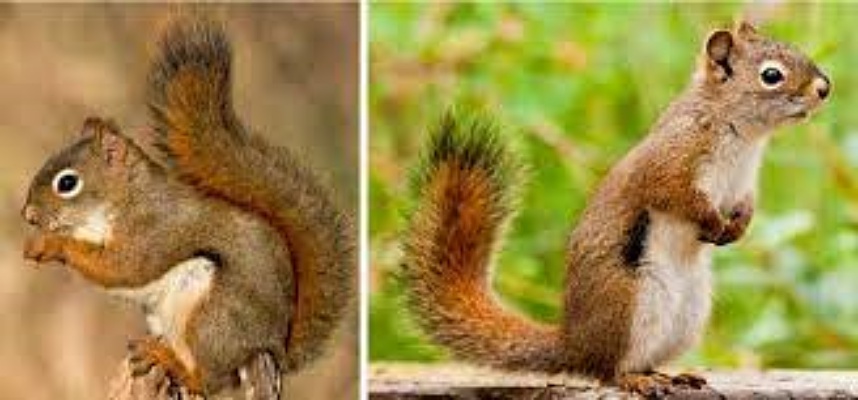
Squirrels and other small mammals can enter attics, soffits, sheds, roof cavities, and crawl spaces where they may disturb insulation or damage materials.
Small Mammal Intrusions
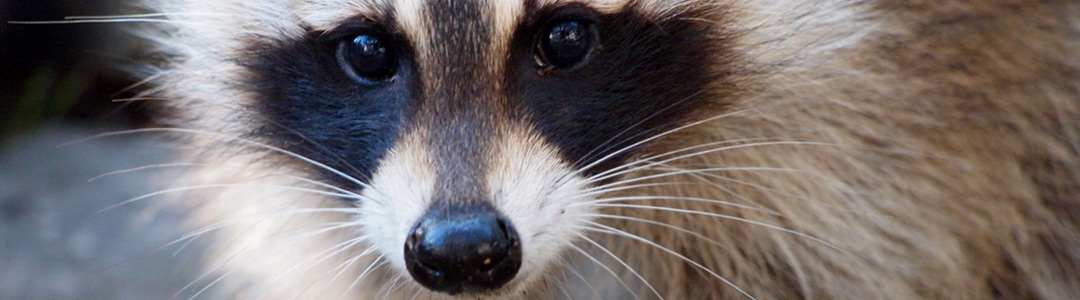
Small wildlife can take advantage of gaps around vents, rooflines, decks, crawl spaces, and other protected openings that provide shelter from weather.
Wildlife Around the Property
Not every animal sighting requires removal. The real concern is repeated activity near structures, food sources, entry points, gardens, storage areas, or places people use regularly.
The goal is not to treat every wild animal as a pest. Professional wildlife management focuses on animals that are entering structures, damaging property, creating sanitation concerns, or repeatedly occupying areas where they conflict with people.
Wildlife Control in Alaska: What Professional Service Includes
We look for tracks, droppings, nesting materials, damage, entry points, travel routes, and other signs that help identify the source of activity.
The appropriate removal strategy depends on the animal, location, access, season, and surrounding conditions.
We inspect vents, soffits, rooflines, siding gaps, crawl spaces, foundations, and other areas animals commonly exploit.
Long-term control often depends on preventing animals from reusing the same structural openings after removal.
Our residential pest control services can address wildlife alongside insect and rodent concerns affecting the same property.
Signs You May Have Wildlife Inside a Home or Building
Animals often stay hidden, especially when they are occupying attic insulation, crawl spaces, walls, ceiling cavities, or areas that are rarely inspected. The signs they leave behind can be more obvious than the animal itself.
Sounds and Activity
- Scratching, scurrying, or movement above ceilings
- Activity inside walls during quiet parts of the day or night
- Repeated animal sightings near the same roofline or vent
- Bird activity around vents, eaves, or exterior openings
- Animals disappearing beneath decks, sheds, or crawl spaces
Physical Evidence
- Droppings or urine staining
- Nesting material or disturbed insulation
- Torn screens or damaged vent covers
- Chew marks and scratched building materials
- Strong or unusual odors
- Tracks, fur, feathers, or debris near openings
Some signs can overlap with mice, rats, voles, shrews, and other rodents. When the issue is specifically rodent activity, our rodent control services focus more directly on rodent inspection, treatment, and exclusion.
Our Humane Wildlife Removal and Exclusion Process
Wildlife management works best when removal and prevention are treated as one problem rather than two separate jobs. Removing an animal without addressing how it entered can leave the structure open to another intrusion.
Inspect the Property
We examine the structure and surrounding areas for signs of wildlife activity, likely nesting zones, damage, food sources, and possible entry points.
Identify the Animal
Tracks, droppings, damage patterns, sounds, nesting material, and visual observations can all help narrow down what species is involved.
Wildlife Control in Alaska for Active Intrusions
Once the source is identified, we determine an appropriate control or removal approach based on the animal, access conditions, location, and safety considerations.
Address Entry Points
We identify structural gaps and vulnerable areas that contributed to the intrusion so the property can be better protected against future wildlife entry.
Reduce Repeat Activity
We recommend practical improvements involving food sources, storage, vegetation, garbage, building maintenance, and other conditions that may continue attracting wildlife.
Wildlife Exclusion Is the Key to Long-Term Control
Exclusion is one of the most important parts of nuisance wildlife management because many animals are opportunistic. If a warm, protected opening remains available after one animal is removed, another may eventually discover the same route.
Common Structural Entry Points
- Damaged soffits and fascia
- Loose or missing vent screens
- Gaps around roof intersections
- Crawl space openings
- Damaged siding or trim
- Utility penetrations
- Openings beneath decks and additions
Common Property Attractants
- Unsecured garbage
- Outdoor pet food
- Bird seed and spilled feed
- Compost and food waste
- Accessible sheds and storage areas
- Dense vegetation against structures
- Damaged or unused outbuildings
A good exclusion strategy does more than close one obvious hole. It considers how an animal moves around the structure and whether other vulnerable openings could become the next entry point.
Squirrel, Bird, and Bat Problems Around Structures
Different wildlife species interact with buildings in different ways, which is why accurate identification matters before removal or exclusion work begins.
Squirrel Removal
Squirrels may enter through damaged rooflines, soffits, vents, and other elevated openings. Once inside, they can disturb insulation, build nests, and repeatedly travel through the same access route.
Bird Control
Birds can nest in vents, eaves, roof cavities, signage, and other protected structural locations. Nesting material, droppings, and blocked ventilation can become ongoing property concerns.
Bat Exclusion
Bats can use very small structural openings for shelter and roosting. Their presence requires careful inspection and an exclusion strategy suited to the location and circumstances.
The exact approach can vary considerably by species and situation. Wildlife laws and seasonal restrictions can also influence what actions are appropriate, which is one reason identification should come before removal.
Why Wildlife Enters Attics, Crawl Spaces, and Outbuildings
Animals do not need much motivation to investigate a protected structure. Shelter from cold temperatures, wind, precipitation, predators, and disturbance can make buildings attractive throughout different parts of the year.
| Attractant | Why Wildlife Responds | What to Check |
|---|---|---|
| Shelter | Attics, crawl spaces, sheds, and wall cavities provide protected areas for nesting and resting. | Rooflines, vents, crawl space access, siding gaps, sheds, and soffits |
| Food | Garbage, pet food, bird seed, compost, gardens, and food waste can reward repeat visits. | Trash containers, feeding areas, storage, gardens, decks, and outdoor kitchens |
| Warmth | Structures can provide warmer and more stable conditions during periods of cold weather. | Attics, heated buildings, wall cavities, garages, and crawl spaces |
| Easy Access | An unsecured opening can become a reliable route into an otherwise protected structure. | Damaged vents, fascia, siding, screens, doors, roof intersections, and utility openings |
The more of these conditions a property offers at the same time, the more attractive it can become to nuisance animals.
Humane Wildlife Control and Responsible Removal
Wildlife management should account for both property protection and responsible treatment of animals. In many cases, the most effective solution is not simply removing the animal. It is correcting the conditions that allowed the conflict to develop in the first place.
That can mean exclusion, habitat changes, sanitation improvements, protected garbage storage, screening, repairing damaged building components, or changing how food and feed are stored.
The Alaska Department of Fish and Game Living with Wildlife resources also provide useful guidance for reducing conflicts with wild animals and responding responsibly to wildlife around homes and communities.
Wildlife Prevention Around Homes and Businesses
Protect the Structure
- Repair damaged vents and screens
- Inspect roof edges, fascia, and soffits
- Secure crawl space openings
- Check sheds and garages for gaps
- Repair damaged siding and trim
- Address structural openings before cold weather
Reduce Outdoor Attractants
- Keep garbage in secure containers
- Do not leave pet food outside overnight
- Clean up spilled bird seed and feed
- Manage compost carefully
- Remove unnecessary clutter around foundations
- Trim vegetation where it provides direct structural access
Businesses can face the same problems on a larger scale, particularly around loading areas, waste storage, warehouses, restaurants, apartment properties, and facilities surrounded by natural habitat. Our commercial pest control programs can incorporate recurring monitoring when wildlife and other pest pressures continue throughout the year.
Wildlife Removal Versus Pest Control
Wildlife removal and conventional pest control overlap in some situations, but they are not always the same job. Insect treatment may rely on products applied to pest harborages or activity zones, while wildlife problems often depend much more heavily on inspection, physical removal, structural exclusion, and habitat modification.
Rodents sit somewhere in the middle. Mice and rats are mammals, but their control often involves specialized trapping, population reduction, sanitation, and exclusion strategies that differ from larger nuisance wildlife work.
That distinction is important because a scratching sound in an attic does not tell you what is causing it. Correct identification prevents the wrong treatment from being applied to the wrong problem.
Frequently Asked Questions
How do I know if wildlife is living in my attic or crawl space?
Common signs include scratching or movement sounds, droppings, nesting material, disturbed insulation, strong odors, torn vent screens, and repeated animal activity near rooflines, crawl spaces, or other structural openings.
What is the best long-term solution for nuisance wildlife?
Removal solves the immediate problem, but exclusion usually provides the best long-term protection. Sealing or protecting entry points makes it harder for another animal to use the same route later.
Do you provide humane wildlife removal?
Yes. The appropriate approach depends on the species, location, time of year, access conditions, and other circumstances. Inspection helps determine the safest and most responsible strategy.
Do you handle squirrels in attics?
Yes. Squirrel activity can involve attics, soffits, roof cavities, sheds, and other protected structural spaces. The work may include inspection, removal, identifying access points, and exclusion recommendations.
Does wildlife control include rodents?
There can be overlap, particularly with exclusion and structural entry points. Mice, rats, voles, shrews, and other rodent problems may require a more specialized rodent control strategy.
Should I seal an opening while an animal is still inside?
Not usually. Sealing the primary opening before confirming the animal is out can trap wildlife inside or cause it to search for another route through the structure. Inspection should come before final exclusion work.
What should I do before a wildlife inspection?
Note where you have heard or seen activity, secure garbage and outdoor food sources, and avoid disturbing nesting areas or blocking suspected exits. Those observations can help narrow down where the animal is entering.
Can wildlife damage insulation or wiring?
Yes. Depending on the animal and location, wildlife can disturb insulation, damage screens and vents, chew building materials, contaminate spaces with droppings, or create nesting debris.
Schedule Wildlife Removal and Exclusion
If you are hearing animals inside the structure, finding droppings or nesting material, or seeing repeated wildlife activity around the same opening, Pied Piper Pest Control can inspect the problem and recommend the appropriate next step. In the Mat-Su Valley, our Wasilla pest control team helps property owners address nuisance wildlife, rodents, insects, and recurring entry problems. Nearby, our Palmer pest control team provides the same inspection-first approach for homes, businesses, barns, outbuildings, and surrounding properties.
You can also explore our complete pest control services when wildlife is only one part of a larger pest problem.