
Bed Bug Bites vs. Cockroach Allergens: Know the Difference
January 8, 2024 8:44 pmTwo of the most common pest complaints Alaskan homeowners bring to us involve the same question: is this a bite, or is something else going on? Understanding the difference between bed bug bites vs. cockroach allergens matters enormously because the two problems look different, feel different, spread differently, and require completely different treatment approaches. Misidentifying which pest you are dealing with means treating the wrong problem while the real one continues to grow.
This guide covers everything you need to know about both threats, including one of the most searched questions in pest control: do cockroaches bite? The answer is more nuanced than most people expect, and understanding it correctly could change how you respond to unexplained skin reactions in your home.
At Pied Piper Pest Control, we have been helping Alaska homeowners identify and eliminate both bed bugs and cockroaches since 1965. What follows is the clearest comparison available for distinguishing between these two distinct health threats.
Do Cockroaches Bite? The Answer Alaska Homeowners Need
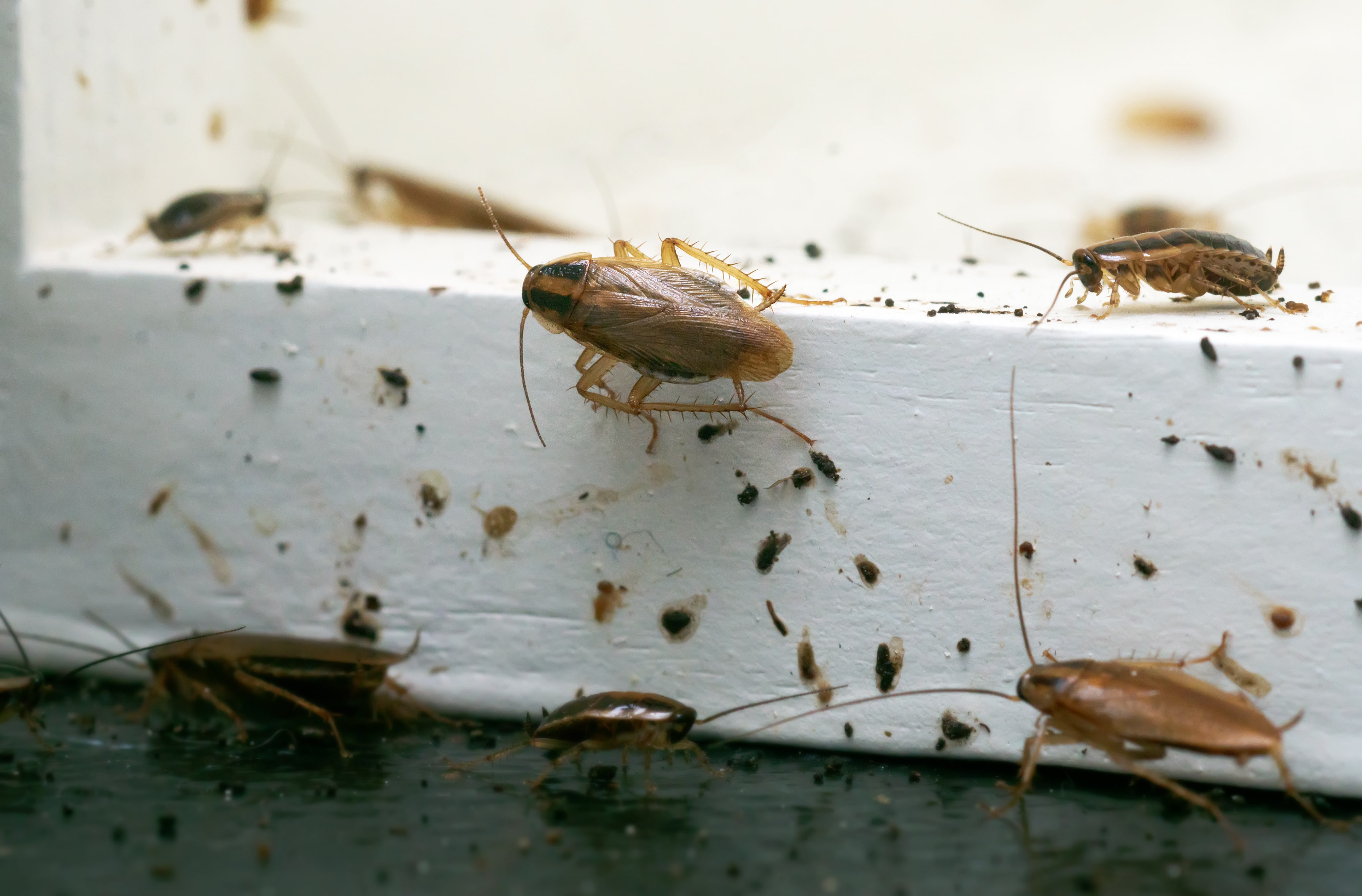
This is the question that brings many people to this page, and it deserves a direct, accurate answer. Yes, cockroaches are technically capable of biting humans, but it is exceptionally rare under normal infestation conditions. Cockroaches are scavengers by nature and prefer food waste, organic debris, and decaying matter over human skin. In documented cases where cockroach bites have occurred, the circumstances almost always involved extremely dense infestations where food sources were scarce, forcing the insects into unusual feeding behavior.
For the vast majority of Alaska homeowners, cockroaches are not a biting threat. They are an allergen threat, and that distinction is critical.
Do Cockroaches Bite Humans in Alaska?
In Alaska’s residential settings, the answer is almost certainly no. Alaska’s indoor cockroach populations, which are predominantly German cockroaches, are opportunistic feeders that concentrate on food residue, crumbs, grease buildup, and organic matter inside walls and appliances. They do not seek out sleeping humans the way bed bugs do. If you are waking up with skin reactions and you have a confirmed cockroach presence in your home, the reactions are far more likely to be caused by cockroach allergens than by bites.
That said, if a cockroach were to bite, the result would be a small red welt that could easily be mistaken for a mild bed bug bite, an ant bite, or a spider bite. The location would typically be on an exposed area, and the bite would not follow the clustered or linear pattern characteristic of bed bug feeding. You can learn more about what cockroach infestations actually look and feel like in our detailed overview of what kind of roaches are found in Alaska and where they hide.
The Real Cockroach Health Risk: Allergens, Not Bites
Cockroach allergens are the primary reason cockroaches are classified as a public health concern. The allergenic particles shed by cockroaches come from multiple sources:
- Fecal droppings deposited on food surfaces, countertops, and in cabinets
- Saliva transferred to surfaces where roaches feed or rest
- Shed exoskeletons (called exuviae) left behind as nymphs develop through six growth stages
- Decomposing body parts from dead roaches within wall voids and harborage areas
- Proteins released into the air from all of the above as particles dry and break down
These particles become airborne and circulate through your home’s heating and ventilation system. In Alaska, where homes are sealed tightly against the cold for much of the year, indoor air recirculates constantly and allergen concentrations can reach levels that trigger daily symptoms in sensitive individuals, particularly children and anyone with existing respiratory conditions.
What Do Bed Bug Bites Look Like?
Bed bugs are true biters. Unlike cockroaches, feeding on human blood is the only way bed bugs survive. They are nocturnal, flat, reddish-brown insects roughly the size of an apple seed that emerge at night to feed on sleeping hosts. The pattern and appearance of their bites are distinctly different from any cockroach-related skin reaction.
Bed Bug Bite Appearance and Pattern
Bed bug bites share several consistent characteristics that help distinguish them from other insect reactions:
- Small, raised, red welts that are intensely itchy
- Arranged in a distinctive linear row, zigzag pattern, or tight cluster along a single feeding path
- Concentrated on skin that is exposed during sleep: neck, arms, shoulders, face, and legs
- Often appear in groups of three, sometimes called a “breakfast, lunch, and dinner” pattern
- Surrounded by a slightly inflamed area with a darker red center
- Do not have a puncture point visible to the naked eye, unlike flea or spider bites
When Do Bed Bug Bite Symptoms Appear?
Timing varies significantly between individuals. Some people react within a few hours of being bitten, developing visible welts before morning. Others show no reaction for several days, and a small percentage of people never develop visible skin reactions at all despite being bitten regularly. This delayed or absent response is one reason bed bug infestations often go undetected for months.
The absence of visible bites does not mean you are not being bitten. The best confirmation of a bed bug presence is physical evidence in the sleeping area: dark fecal stains on mattress seams, shed skins, live insects in the seams and tufts of the mattress, or blood smears on bedding from accidentally crushing a recently fed bug. Our full guide on professional bed bug treatment in Alaska covers what a thorough inspection involves.
Bed Bug Bites vs. Cockroach Allergens: Side-by-Side Comparison
The table below outlines the key differences between a bed bug bite reaction and a cockroach allergen reaction to help you identify which problem you are dealing with:
| Factor | Bed Bug Bites | Cockroach Allergens |
|---|---|---|
| Cause | Direct feeding on human blood | Airborne proteins from droppings, shed skin, and body parts |
| Skin Reaction | Red welts in lines or clusters | Hives or skin rash in sensitive individuals |
| Respiratory Symptoms | None | Sneezing, coughing, wheezing, asthma attacks |
| Eye Symptoms | Rare | Itchy, watery, or red eyes |
| Pattern | Localized to exposed sleeping areas | Generalized, not location-specific |
| Timing | Hours to days after bite | Immediate or chronic ongoing exposure |
| Worse at Night | Yes | No consistent pattern |
| Affects Non-Sensitive People | Yes (most people react) | No (reactions vary by individual sensitivity) |
Which Is More Dangerous: Bed Bug Bites or Cockroach Allergens?
Both pose real health risks, but they affect different people in different ways. Bed bug bites cause significant discomfort, sleep disruption, and in some cases secondary skin infections from scratching. For most healthy adults, however, they are not a severe medical threat beyond the psychological toll of knowing they are being bitten in their sleep.
Cockroach allergens carry a different kind of risk. According to the U.S. Environmental Protection Agency, cockroach allergens are one of the most significant indoor air quality concerns for households with asthmatic children. In Alaska, where indoor air recirculates through sealed homes for extended periods each winter, cockroach allergen concentrations can build to levels that cause daily respiratory symptoms and trigger serious asthma attacks. For vulnerable household members, this represents a genuine ongoing health hazard rather than an acute reaction.
Cockroach Allergens and Asthma in Alaska Homes
Alaska homeowners often underestimate the connection between a cockroach presence and worsening respiratory symptoms in the household. Because cockroaches are nocturnal and rarely seen, the link between the pest and the symptom is not obvious. But for households where anyone has asthma, unexplained allergy flare-ups, or recurring respiratory irritation with no clear seasonal trigger, a cockroach inspection should be considered.
How Cockroach Allergens Spread Through a Home
The mechanism of allergen spread is important to understand because it explains why cleaning surfaces alone does not resolve the problem:
- Cockroach fecal particles dry and become airborne, circulating through HVAC and forced-air heating systems
- Allergen proteins settle on soft furnishings including couches, carpet, bedding, and curtains
- Vacuum cleaner use without a HEPA filter can redistribute settled allergens back into the air
- Wall voids containing dead roaches, shed skins, and fecal matter continue releasing allergen particles even after an infestation has been partially controlled
- In multi-unit housing, allergens can migrate between units through shared ventilation
Complete allergen reduction requires not just eliminating the living cockroach population but also a thorough post-treatment cleaning protocol targeting harborage areas where allergen-containing material has accumulated over time. Our cockroach pest control service includes guidance on post-treatment cleaning to reduce allergen load alongside eliminating the infestation itself.
How to Tell Whether You Have Bed Bugs or Cockroaches
If you are experiencing unexplained skin reactions or respiratory symptoms and are not sure which pest is responsible, the following identification checklist will help you focus your investigation before calling for an inspection.
Signs of a Bed Bug Infestation
- Small dark brown or rust-colored stains on mattress seams, box springs, or headboard from fecal deposits
- Tiny pale yellow shed skins found in mattress seams, behind picture frames, or along baseboards near the bed
- A faint sweet, musty odor in the bedroom that was not previously present
- Live insects found in mattress seams, behind wallpaper, inside electrical outlets near the bed, or in furniture joints
- Blood spots on pillowcases or sheets from crushing a recently fed insect during sleep
- Bites appearing consistently on exposed sleeping areas in a line or cluster pattern
Signs of a Cockroach Infestation
- Dark granular droppings resembling coffee grounds or black pepper concentrated near food and water sources
- A faint oily or musty odor inside enclosed cabinet spaces, particularly in the kitchen and bathroom
- Oval egg capsules (oothecae) found behind appliances or tucked into cabinet corners
- Grease smear marks along baseboards and countertop edges where roaches travel regularly
- Shed exoskeletons found in cabinet corners or beneath appliances
- Respiratory symptoms that are worst indoors and improve when the household member spends extended time outside
For a comprehensive breakdown of cockroach species and their specific hiding behaviors in Alaska homes, our guide on what kind of roaches are found in Alaska is a useful next step. For a broader look at how both of these pests operate as hidden household invaders, read our piece on bed bugs and cockroaches as silent invaders.
Professional Treatment for Bed Bugs and Cockroaches in Alaska
Both pests require professional-grade treatment to eliminate reliably. Over-the-counter products fail for similar reasons in both cases: they do not reach the harborage areas where eggs and nymphs are concentrated, they do not address the full life cycle, and in many cases they push populations deeper into the structure rather than eliminating them.
Professional Bed Bug Treatment Options in Alaska
Effective bed bug treatment in Alaska typically involves one or a combination of the following approaches depending on the scope of the infestation:
- Heat treatment, which raises room temperatures to levels lethal to all life stages including eggs
- Residual chemical treatments applied to harborage areas, furniture joints, and baseboards
- Mattress encasements to eliminate harborage and prevent reintroduction
- Follow-up inspection protocols to confirm elimination before the infestation is declared resolved
Our detailed breakdown of bed bug treatment options for Anchorage residents covers the available methods in full, including what to expect from the process and how to prepare your home.
Professional Cockroach Control in Alaska
Cockroach treatment relies on a combination of gel baiting, insect growth regulators, and residual applications targeted at harborage zones. The insect growth regulator component is critical because it sterilizes surviving adults and prevents nymphs from reaching reproductive maturity, breaking the population cycle rather than simply reducing the visible insect count temporarily.
A single treatment is rarely sufficient for a mature German cockroach infestation. A proper protocol includes a follow-up visit to confirm elimination, re-bait depleted stations, and verify that the population has not rebounded from protected egg capsules. Our residential pest control services in Alaska include structured follow-up protocols for exactly this reason.
Whether you are dealing with bed bugs, cockroaches, or are not yet sure which pest is present, the right first step is a professional inspection. Contact Pied Piper Pest Control to schedule an inspection and get a clear answer before the problem grows further.
Frequently Asked Questions: Bed Bug Bites vs. Cockroach Allergens
Do Cockroaches Bite Humans?
Technically yes, but it is extremely rare under normal household conditions. Cockroaches prefer organic debris and food waste over human skin. Biting behavior has been documented only in cases of very large, dense infestations with limited food access. In the vast majority of Alaska homes, cockroaches do not bite. Their primary health impact comes from allergens, not direct feeding on humans.
How Do I Know If My Skin Reaction Is From Bed Bugs or Cockroach Allergens?
Bed bug bites produce localized skin welts in a line or cluster pattern on areas exposed during sleep and do not cause respiratory symptoms. Cockroach allergen reactions typically manifest as respiratory symptoms, including sneezing, coughing, wheezing, or nasal congestion, and may include generalized skin hives or rashes without the clustered bite pattern. If you are experiencing respiratory symptoms alongside skin reactions, cockroach allergens are the more likely culprit.
Can You Have Both Bed Bugs and Cockroaches at the Same Time?
Yes, and it is more common than most homeowners expect, particularly in multi-unit housing. Both pests can occupy the same structure simultaneously because they inhabit different environments: bed bugs concentrate near sleeping areas and furniture while cockroaches favor kitchens, bathrooms, and wall voids. A thorough professional inspection can identify both pests in a single visit and recommend a combined treatment plan.
Are Cockroach Allergens Worse in Alaska Winters?
Yes. During Alaska’s long winters, homes are sealed tightly against the cold and indoor air recirculates constantly. Cockroach allergen particles that become airborne have limited opportunity to dissipate, and concentrated indoor exposure over extended periods can cause chronic respiratory symptoms in sensitive household members. This is one reason cockroach infestations in Alaska warrant faster action than homeowners might assume based on the outdoor climate.
What Should I Do First If I Suspect Either Pest?
Inspect carefully before treating. Look for the physical evidence described above. Avoid using repellent sprays in either case before a professional inspection, as they can scatter populations and make identification and treatment more difficult. Call Pied Piper Pest Control for a professional inspection; our technicians can confirm the pest, assess the scope of the infestation, and recommend the appropriate treatment protocol.
Categorised in: Pest Control News
This post was written by Pied Piper Team