
What Kind of Roaches Are Found in Alaska?
September 29, 2020 11:19 pmCockroaches in Alaska are more common than most residents expect, and what kind of roaches are found in Alaska is one of the most important questions a homeowner can ask before a small problem turns into a full infestation. Despite the state’s harsh winters and remote character, several cockroach species thrive indoors year-round, taking full advantage of the warm, moisture-rich spaces that heated Alaska homes and businesses provide. Alaska’s outdoor temperatures are irrelevant to a German cockroach that has taken up residence behind your dishwasher or inside your wall voids.
Roaches arrived here the same way they have spread across every continent: hidden in shipping containers, grocery deliveries, secondhand appliances, and luggage. Once inside a heated building, they reproduce rapidly and embed themselves deeply, making early identification and professional treatment essential for protecting your home and your family’s health.
At Pied Piper Pest Control, we have been responding to cockroach calls across Anchorage and communities throughout Alaska since 1965. What follows is everything you need to know about Alaska’s roach species, where they hide, the health risks they pose, and what it takes to eliminate them for good.
What Kind of Roaches Are Found in Alaska?
Alaska is home to a small number of cockroach species, all of them introduced rather than native to the region. Each species has different habits, preferred environments, and levels of infestation risk. Correctly identifying the species present in your home matters because treatment strategies differ significantly between them.
| Species | Size | Color | Preferred Location | Infestation Risk |
|---|---|---|---|---|
| German Cockroach | 1/2 to 5/8 inch | Light brown, two dark stripes | Kitchens, bathrooms | Very High |
| American Cockroach | 1.5 to 2 inches | Reddish-brown | Basements, drains, crawl spaces | Moderate |
| Oriental Cockroach | 1 to 1.25 inches | Dark brown to black | Drains, damp basements | Moderate |
| Brown-Banded Cockroach | 1/2 inch | Light brown with pale bands | Throughout home, upper cabinets, electronics | Moderate |
German Cockroaches: The Most Common Roach Found in Alaska Homes
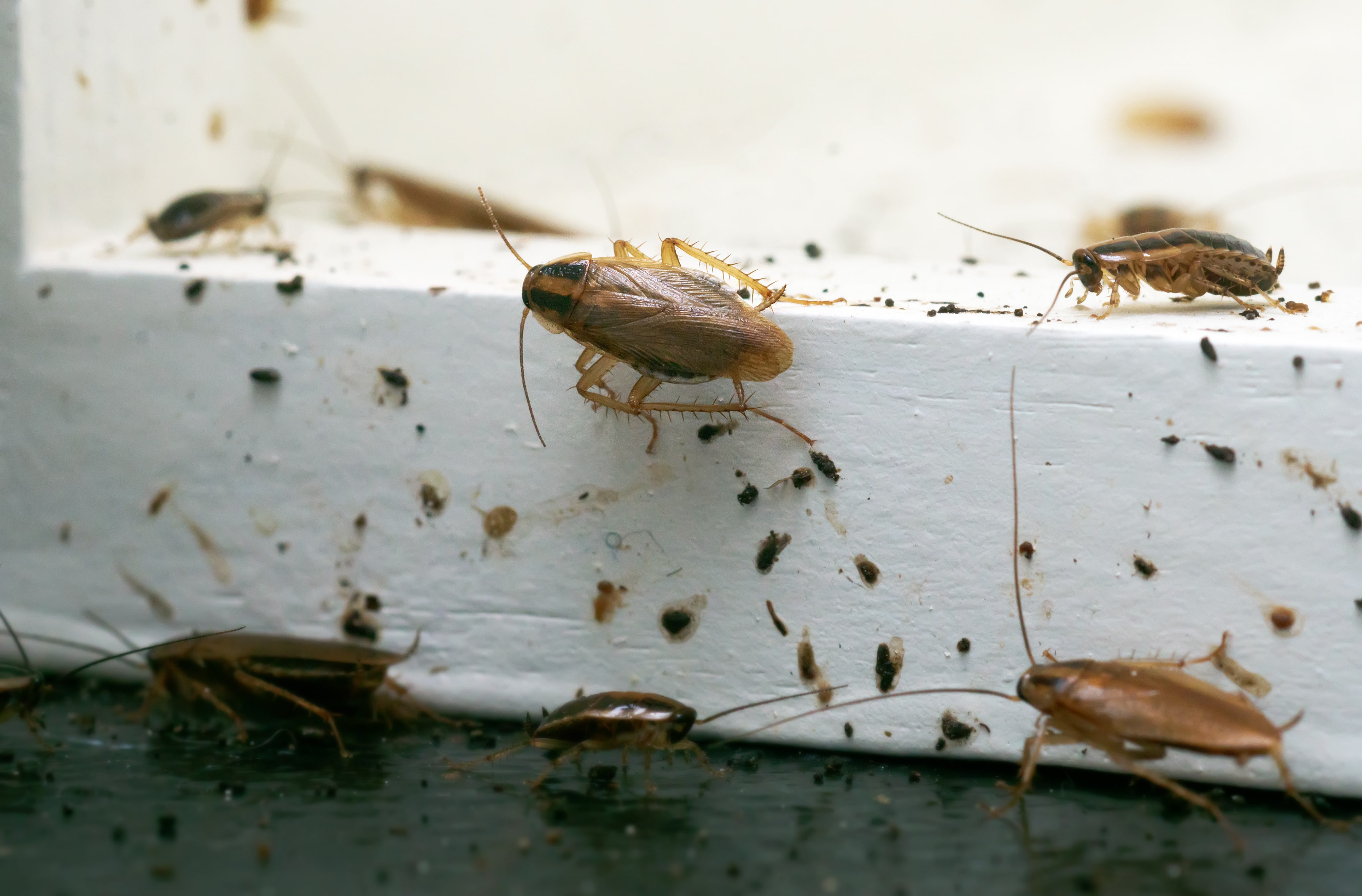
If you see a cockroach in your Alaska home, it is almost certainly a German cockroach. This species is the most prevalent cockroach on Earth, and it dominates Alaska’s indoor pest landscape because it is exceptionally well adapted to living in the same spaces people do. German cockroaches are light brown with two dark parallel stripes running behind the head, grow to roughly half an inch in length, and move with considerable speed when disturbed by light.
What makes German cockroaches so dangerous is their reproductive rate. A single female can produce up to 40 eggs per egg capsule, and she carries that capsule until the eggs are nearly ready to hatch, protecting them from surface treatments. A small German cockroach problem can evolve into a mature infestation within a single structure in a matter of weeks. By the time most homeowners confirm they have a problem, hundreds of roaches may already be present. Our dedicated cockroach pest control service is specifically designed to address German cockroach infestations at every life stage, including eggs, nymphs, and adults.
American Cockroaches in Alaska
American cockroaches are the largest species found in Alaska, sometimes exceeding two inches in length. They are reddish-brown with a yellowish figure-eight pattern behind the head, and they prefer dark, damp environments like floor drains, basements, and crawl spaces. While they are less prolific breeders than German cockroaches, an American cockroach sighting often signals a moisture problem in addition to a pest problem. They frequently enter structures through sewer systems and are commonly encountered in commercial kitchens, apartment building basements, and restaurant facilities.
Oriental and Brown-Banded Cockroaches in Alaska
Oriental cockroaches are sometimes called “water bugs” because of their strong preference for moisture. They are dark brown to nearly black, slower moving than other species, and typically found in drains, damp basements, and areas with decaying organic material. Brown-banded cockroaches are less moisture-dependent, preferring warmer and drier areas throughout the entire structure including behind picture frames, inside electronics, and in upper kitchen cabinets. Their tendency to spread across a whole building rather than clustering near kitchens makes them particularly difficult to eliminate without a comprehensive treatment approach.
Are There Roaches in Alaska Despite the Cold?
This is the question Alaskan homeowners ask most often, and the answer is yes. Alaska’s outdoor temperatures are irrelevant to an indoor cockroach population. Cockroaches found in Alaska do not live outside; they live inside your home. The warmth, humidity, and food residue present in the average Alaska residence create a perfectly habitable environment, regardless of what the thermometer reads on the other side of the wall.
How Cockroaches Enter and Survive Alaska’s Climate
Roaches enter Alaska structures in a number of ways that most homeowners never consider:
- Hidden inside grocery bags, cardboard shipping boxes, or produce delivered from outside Alaska
- Carried in secondhand furniture, appliances, or used electronics
- Transported in luggage or personal belongings after travel to infested areas
- Migrating between units in multi-family housing through shared walls, plumbing chases, and utility corridors
- Arriving in commercial shipments to restaurants, hotels, grocery stores, and warehouses
Once inside, roaches exploit every available heat source. They cluster near appliance motors, water heater tanks, and steam pipes. They hide inside wall voids where heat from living spaces keeps temperatures stable year-round. Alaska’s long, cold winters actually benefit indoor roach populations in one significant way: residents seal their homes tightly against the weather, which reduces drafts, limits natural disturbance, and keeps interior temperatures remarkably consistent. For a cockroach, a well-insulated Alaska home is an ideal overwintering habitat. You can read more about how cockroaches survive Alaska’s unique conditions and why standard prevention methods often fall short here.
Where Do Roaches Hide in Alaska Homes?
German cockroaches are thigmotactic insects, meaning they strongly prefer tight spaces where their bodies make contact with a surface on multiple sides simultaneously. That instinct explains why they are so rarely seen during the day and why consumer spray products rarely solve the problem. Common harborage areas in Alaska homes include:
- Behind and beneath the refrigerator, dishwasher, and stove where motor heat is consistent
- Inside cabinet hinges and the gaps between cabinet boxes and interior walls
- Beneath the lip of kitchen countertops and along the back wall of lower cabinets
- Inside the motor housing of microwaves, toasters, and coffeemakers
- Behind the bathroom vanity cabinet and around the base of the toilet and tub
- Inside wall voids near plumbing penetrations where pipes enter from outside
- Beneath loose floor trim, damaged baseboards, and peeling caulk lines
- Inside drop ceilings and above suspended tile in commercial kitchens and food prep areas
Signs You Have a Cockroach Infestation in Your Alaska Home
Because roaches are nocturnal and actively avoid light, most homeowners do not spot live roaches until a population has grown large enough to force younger insects into less-preferred locations during the day. Early warning signs to look for include:
- Small dark droppings resembling coffee grounds or ground black pepper concentrated near food storage and water sources
- A faint musty or oily odor inside enclosed kitchen or bathroom cabinets, particularly in corners
- Oval-shaped egg capsules (oothecae) found behind appliances, in cabinet corners, or tucked near heat sources
- Smear marks along baseboards and the undersides of cabinet doors where roaches travel along the same routes repeatedly
- Shed exoskeletons left behind as nymphs grow through six developmental stages before reaching adulthood
- Grease streaks along the undersides of countertops and along the edges of shelving
If you are unsure whether you are dealing with a cockroach infestation or another common pest, our breakdown of bed bug bites versus cockroach allergens can help you identify the specific threat before pursuing treatment.
Health Risks: Are Roaches in Alaska Dangerous?
Cockroaches are not just an unpleasant discovery; they present documented health and safety risks that are well established in public health research. According to the U.S. Environmental Protection Agency, cockroach allergens are a significant trigger for asthma and allergic reactions, particularly in children and individuals with existing respiratory conditions. In Alaska, where homes are sealed tightly for months at a time and indoor air recirculates constantly, concentrated allergen exposure is a serious concern that should not be underestimated.
What Damage Do Cockroaches Cause in Alaska Homes?
Beyond respiratory health concerns, cockroach infestations create a cascade of additional problems that compound quickly when left unaddressed:
- Contamination of food and food preparation surfaces with bacteria including Salmonella and E. coli carried on their legs and bodies
- Spread of pathogens through fecal deposits on countertops, cutting boards, and stored food packaging
- Damage to paper goods, book bindings, cardboard, and fabric materials from their feeding behavior
- Staining of walls, cabinet interiors, and appliance surfaces from fecal smears and body secretions
- Triggering of asthma attacks and allergic responses from shed skin particles and airborne fecal matter
- Significant reduction in property value and the potential for failed health code inspections in commercial food service settings
The combination of rapid reproduction, concealed behavior, and verifiable health consequences is why a professional response is not optional once an infestation is confirmed. Understanding how cockroach infestations develop alongside other pest activity is also valuable; read our overview of how bed bugs and cockroaches operate as hidden invaders for a broader picture of what professional inspection catches that a visual check misses.
How to Prevent Cockroaches in Your Alaska Home
Prevention is significantly easier and less expensive than elimination. The following habits reduce the likelihood of a cockroach infestation gaining a foothold inside an Alaska home:
- Store all food, including pet food and dry goods like flour and rice, in sealed hard-sided containers
- Clean beneath and behind appliances regularly; the refrigerator drip tray is a frequent cockroach harborage that rarely gets cleaned
- Fix leaking pipes, dripping faucets, and condensation problems promptly to eliminate moisture sources that attract roaches
- Inspect all secondhand furniture, appliances, and cardboard boxes carefully before bringing them inside your home
- Seal cracks around plumbing penetrations, utility line entry points, baseboards, and cabinet backs with silicone caulk
- Examine grocery bags carefully when unpacking, especially produce and packaged goods shipped from outside Alaska
- In multi-unit housing, install door sweeps and maintain intact weather stripping to limit movement between units
- Empty indoor trash regularly and use bins with tight-fitting lids, particularly in the kitchen and bathroom
DIY Cockroach Control vs. Professional Treatment in Alaska
Many Alaska homeowners attempt to address a roach sighting with store-bought sprays or consumer bait traps. In rare cases involving a single, recently introduced insect that has not yet reproduced, this approach may have some effect. In the vast majority of cases, however, it does not solve the problem and often makes it worse. Here is why:
- Over-the-counter repellent sprays push cockroaches deeper into wall voids and less accessible harborage areas rather than eliminating them
- Consumer-grade bait products are not formulated with the same active ingredient concentrations as professional products, and roaches can develop bait aversion
- Without locating and treating all harborage areas, surviving roaches and hatching nymphs repopulate within weeks
- German cockroaches have developed resistance to several common insecticide classes used in retail products
- Egg capsules are physically protected from topical treatments; only products that incorporate insect growth regulators break the reproductive cycle by sterilizing survivors and preventing nymphs from reaching reproductive maturity
Professional treatment combines targeted gel baiting with insect growth regulators, residual applications in confirmed harborage zones, and a structured follow-up protocol to verify elimination. Our residential pest control services include comprehensive cockroach protocols developed specifically for Alaska’s housing types, from single-family homes to high-density multi-unit buildings.
When to Call for Professional Cockroach Pest Control in Alaska
The answer is straightforward: call the moment you confirm you have cockroaches. A single sighting should never be dismissed as an isolated occurrence. What you see in plain view is almost never the full picture. Cockroaches are nocturnal insects that are highly skilled at avoiding light and detection. If one is visible during daylight hours or in an unusual location away from its normal harborage, it typically signals population pressure forcing younger or displaced roaches into suboptimal spaces.
Do not wait for additional sightings. Do not wait to determine whether the problem is “serious.” Call for an inspection immediately. The earlier an infestation is addressed, the fewer treatment cycles will be required and the lower the total cost of elimination. Pied Piper Pest Control has been serving Anchorage and communities throughout Alaska since 1965, and our licensed technicians are experienced with every cockroach species common to the state. Contact us today to schedule a thorough inspection.
If your home is facing multiple pest concerns simultaneously, our insect pest control page covers the full range of treatments available across Alaska. For a broader view of the pest landscape across the state, the top household pests in Alaska guide is a useful starting point.
Frequently Asked Questions About Cockroaches in Alaska
Are There Cockroaches in Alaska?
Yes. Several cockroach species are present throughout Alaska, including German, American, Oriental, and brown-banded cockroaches. All are introduced species that arrived through shipping and human movement rather than natural migration. They survive Alaska’s climate by living exclusively inside heated structures where outdoor temperatures have no effect on their survival or reproduction.
What Kind of Roaches Are Found in Alaska?
The German cockroach is by far the most common species in Alaska. American, Oriental, and brown-banded cockroaches are also present, particularly in commercial settings, apartment buildings, and areas near major shipping and distribution hubs. German cockroaches account for the overwhelming majority of residential infestations across Anchorage and surrounding communities.
Can Cockroaches Survive Alaska Winters?
Cockroaches cannot survive Alaska’s outdoor winter temperatures. However, that is not where Alaska’s roaches live. All cockroach species established in Alaska are exclusively indoor pests that depend on the warmth of heated buildings. Alaska’s well-insulated, tightly sealed homes actually provide near-ideal conditions for year-round indoor cockroach activity.
How Do I Know If I Have Roaches in My Alaska Home?
Key indicators include dark, granular droppings near food and water sources, a musty or oily odor in enclosed cabinet spaces, oval egg capsules tucked behind appliances, smear marks along baseboards, and shed exoskeletons in cabinet corners. Seeing a live cockroach during daylight hours is a reliable sign of a population large enough to warrant immediate professional attention.
What Should I Do If I Find a Cockroach in My Alaska Home?
Do not assume the problem is isolated. Avoid using repellent sprays, which scatter the population into harder-to-treat areas. Inspect surrounding areas carefully for additional evidence, and contact a licensed pest control professional as soon as possible. Early action results in faster resolution and significantly lower treatment costs compared to addressing a mature infestation.
Are Cockroach Infestations Common in Anchorage?
Yes, particularly in multi-unit residential buildings, restaurants, hotels, and grocery distribution facilities. Anchorage functions as Alaska’s primary shipping hub, which creates frequent opportunities for cockroach introduction through commercial freight. German cockroach infestations are a recurring issue in Anchorage apartment complexes and food service operations. Our Anchorage pest control services include dedicated cockroach inspection and treatment tailored to the specific housing and commercial building types common in the area.
Categorised in: Insect Control
This post was written by Pied Piper Team