
Why Do Boxelder Bugs Invade Homes and How Do You Keep Them Out?
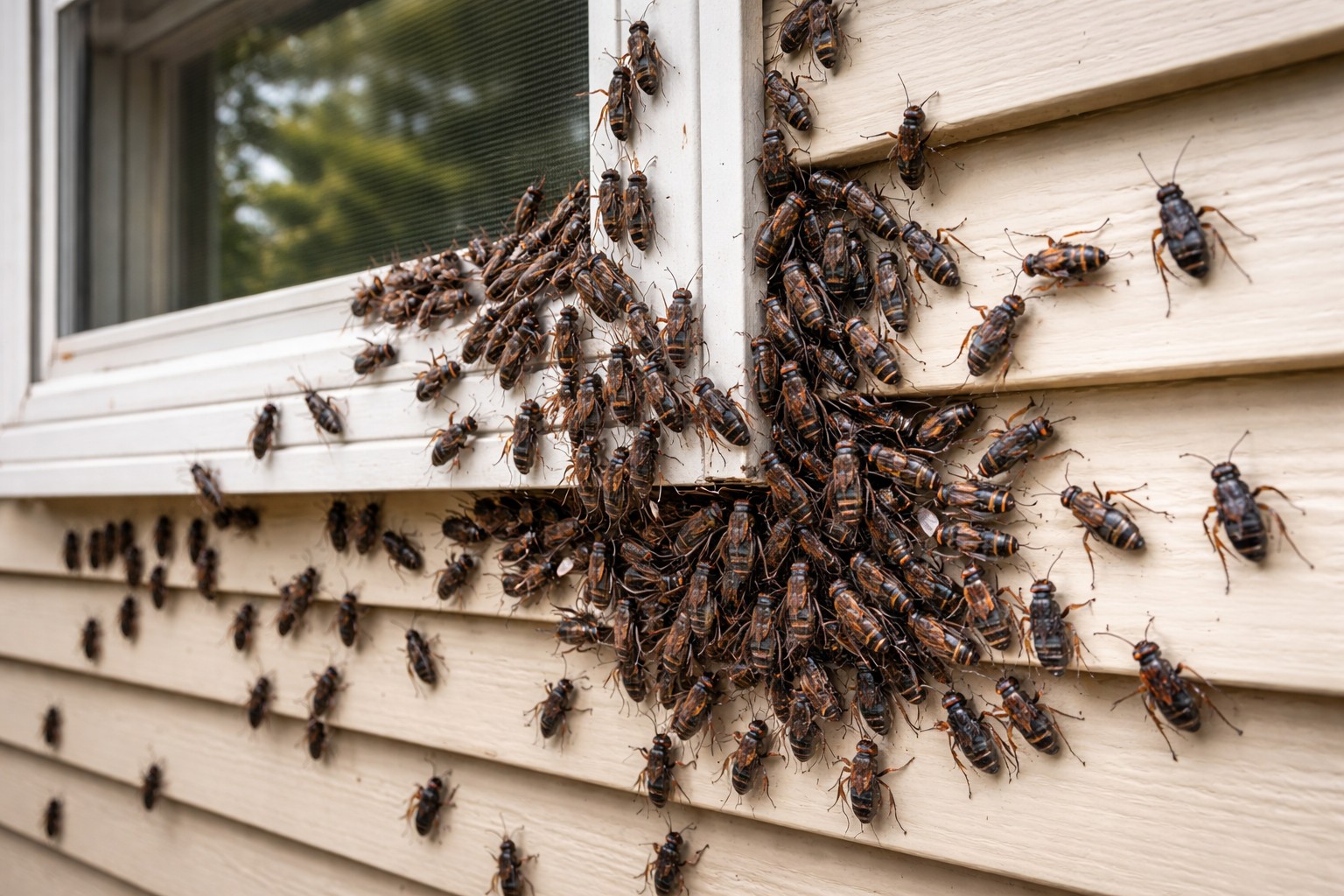
March 13, 2026 7:51 pmEach year, as temperatures begin to shift between seasons, many homeowners across North America notice clusters of black and red insects gathering on siding, windows, and exterior walls. These insects are known as boxelder bugs, and their seasonal behavior often brings them into close contact with homes and buildings. While they are generally harmless and do not cause structural damage, a boxelder bug infestation can still become a frustrating nuisance for homeowners.
Boxelder bugs are attracted to warm surfaces and protected spaces as they prepare to overwinter. Once they find suitable shelter, they may gather in large numbers around homes, sometimes making their way indoors through small cracks and gaps. Understanding why these insects behave this way and how infestations develop is the first step toward keeping them out.
This guide explores the reasons boxelder bugs invade homes, what attracts them to buildings, and the practical steps homeowners can take to prevent seasonal infestations.
What Causes a Boxelder Bug Infestation?
A boxelder bug infestation typically develops due to a combination of environmental conditions, nearby host trees, and access to shelter during seasonal changes.
Boxelder bugs feed primarily on the seeds and leaves of certain trees, most commonly boxelder trees, which are a type of maple. They may also feed on other maple species and occasionally on ash trees. When these trees are present near homes or neighborhoods, they provide a consistent food source that supports growing bug populations.
During warm months, boxelder bugs remain outdoors, feeding and reproducing on host trees and surrounding vegetation. As temperatures cool in late summer and fall, their behavior shifts dramatically. Instead of focusing on feeding, the insects begin searching for protected locations where they can survive the winter.
Homes often provide ideal overwintering locations because they offer:
- Warm surfaces that attract sunlight
- Small cracks and crevices that provide shelter
- Protected spaces such as wall voids, attics, and siding gaps
- Stable temperatures compared to outdoor environments
When large populations exist near a property, dozens or even hundreds of bugs may gather on exterior walls as they search for entry points. Over time, these insects can slip into small openings and establish themselves inside walls or other protected spaces.
Signs of a growing boxelder bug infestation
Early recognition can help homeowners prevent larger problems later in the season. While these insects do not multiply indoors, their numbers can grow quickly if outdoor populations remain high.
Common signs of a developing infestation include:
- Clusters of black insects with red markings gathering on sunny exterior walls
- Large numbers of bugs near windows, doors, or siding seams
- Insects appearing inside the home during warm winter days
- Bugs collecting around attic vents or roof lines
- Staining or small droppings near entry points
Seeing a few bugs outdoors is normal during seasonal transitions. However, when large groups begin forming regularly on the same parts of a home, it may indicate that the insects are preparing to overwinter nearby.
Why Boxelder Bugs Gather on Homes
Many homeowners are surprised to see hundreds of insects gathered on their siding during fall afternoons. This behavior is actually part of the insect’s natural survival strategy.
Boxelder bugs rely on heat from the sun to remain active as temperatures begin to drop. Surfaces that absorb and retain warmth become gathering points for large numbers of bugs.
Homes often provide the perfect combination of warmth, protection, and nearby shelter.
Why warm siding attracts boxelder bugs
South-facing and west-facing walls tend to receive the most sunlight during the day. When siding materials absorb this heat, they create warm microclimates that attract insects seeking warmth.
Certain types of siding can be particularly attractive to boxelder bugs, including:
- Dark colored siding that absorbs heat
- Vinyl siding that traps warmth near seams
- Brick or stone surfaces that hold heat after sunset
- Wooden siding that contains small cracks and joints
Once insects gather on these warm surfaces, they begin exploring the structure in search of narrow gaps where they can hide. Even extremely small openings may be enough for them to slip inside.
Common entry points include:
- Window frames
- Door thresholds
- Utility line openings
- Roof vents and soffits
- Siding gaps and expansion joints
When large numbers of bugs congregate on exterior walls, the chances of some entering the home increase significantly. Once inside, they typically hide in wall cavities or attic spaces where temperatures remain stable through the winter.
How to Prevent Seasonal Invasions
Preventing a boxelder bug infestation often involves a combination of landscaping management, structural maintenance, and seasonal pest prevention strategies. Because these insects are persistent and capable of finding extremely small openings, prevention requires a proactive approach.
Homeowners can significantly reduce the chances of bugs entering their homes by focusing on three key areas: reducing attractants, eliminating entry points, and addressing outdoor populations.
Exclusion methods to reduce infestations
Exclusion is one of the most effective ways to keep boxelder bugs from entering homes. This process involves sealing gaps and strengthening the building’s exterior to prevent insects from finding entry points.
Common exclusion methods include:
- Sealing cracks around windows and doors with high-quality caulk
- Installing weather stripping around doors and thresholds
- Repairing damaged screens on windows and vents
- Sealing gaps where utility pipes and cables enter the home
- Installing door sweeps to block ground-level openings
- Repairing loose siding or trim that may create hiding spaces
Even small openings can allow insects inside, so a careful inspection of the home’s exterior is essential.
Additional prevention strategies may include:
Landscape management
Reducing the number of host trees near a home can lower local bug populations.
Helpful steps include:
- Removing female boxelder trees when possible
- Pruning nearby maples to reduce seed production
- Cleaning up fallen seeds and leaves around the yard
Reducing exterior attractants
Minimizing features that attract bugs can help limit gatherings on siding.
Examples include:
- Repainting dark exterior walls with lighter colors
- Reducing unnecessary outdoor lighting during peak activity periods
- Keeping outdoor surfaces clean and free of plant debris
Seasonal pest treatments
Professional pest control services may apply targeted exterior treatments during late summer or early fall. These treatments help reduce insect populations before they attempt to enter homes for the winter.
Professional technicians can also identify structural vulnerabilities and recommend long-term solutions to prevent recurring infestations.
Frequently Asked Questions
Are boxelder bugs dangerous to people?
No. Boxelder bugs do not bite, sting, or spread diseases. They are considered nuisance pests because they gather in large numbers and sometimes enter homes.
Do boxelder bugs damage houses?
They do not damage wood, insulation, or structural components. However, they may leave stains on walls, curtains, or furniture if crushed.
Why do boxelder bugs appear inside during winter?
When indoor temperatures rise during sunny winter days, the insects may become active and emerge from hiding spaces inside walls or attics.
Can boxelder bugs reproduce inside a house?
No. Boxelder bugs do not reproduce indoors. They only use homes as sheltered locations for overwintering.
What time of year are boxelder bugs most active?
They are most noticeable in late summer and fall when they gather on homes while searching for overwintering shelter.
Should I vacuum boxelder bugs if they get inside?
Vacuuming is a simple and effective way to remove them. Dispose of the vacuum bag afterward to prevent odors or lingering insects.
Professional Help for Persistent Boxelder Bug Problems
While many homeowners can manage small seasonal bug gatherings with preventative maintenance, larger infestations often require professional pest management. When outdoor populations grow large, insects can continue returning year after year unless the root causes are addressed.
If you are dealing with a recurring bug infestation, the experienced team at Pied Piper Pest Control is ready to help.
Pied Piper Pest Control has been Alaska’s premier pest control and pest removal service provider since 1965. As a locally owned and operated small business, we take pride in putting our clients’ needs and comfort above all else. When you think of quality pest control in Alaska, you should be thinking about Pied Piper Pest Control.
For more than 50 years, we have built a strong reputation for providing reliable insect and rodent control services to homes and businesses across Alaska. Our team of highly skilled and knowledgeable technicians specializes in a wide range of pest control solutions, including:
- Insect control services
- Rodent removal and prevention
- Ornamental tree pest treatments
- Squirrel capture and wildlife solutions
We understand that Alaska residents have many choices when it comes to pest removal services. That is why we work hard to deliver thorough inspections, effective treatments, and dependable service every time.
If pests are becoming a problem around your property, contact us today to schedule an inspection or learn more about our professional pest management solutions.
Categorised in: Insect Repellants
This post was written by Ken Perry
Comments are closed here.