
How Do You Handle a Spider Infestation in Your Alaska Home?
December 11, 2025 9:23 pmA spider infestation in your Alaska home can be unsettling, inconvenient, and in some cases, hazardous. Although most spiders found in the state are harmless, the presence of too many can create uncomfortable living conditions for you and your family. Alaska’s unique environment, long winters, and limited natural predators for certain insects make homes an attractive place for spiders to settle. Understanding why spiders appear, how to reduce their numbers, and when to call a professional can help you protect your home year-round.
This guide covers everything you need to know about managing spider problems in Alaska, including common species, safe removal techniques, prevention tips, and when to rely on experienced pest control professionals.
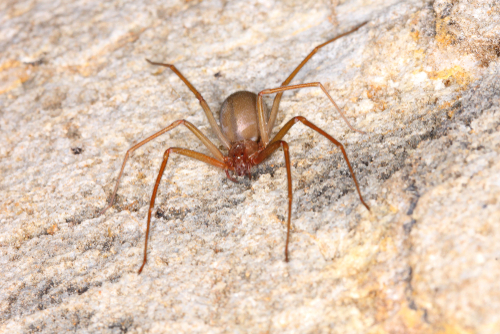
Why Spiders Are Common in Alaska Homes
Spiders thrive in environments where they can find shelter and reliable access to food. In Alaska, these factors are abundant in and around residential properties. Understanding the reasons spiders appear can help homeowners take proactive steps to reduce the likelihood of a spider infestation.
First, Alaska’s climate plays a significant role. With cold temperatures dominating much of the year, spiders naturally seek out warm and stable spaces to survive. Homes provide ideal temperatures and protection from harsh outdoor conditions. During fall and winter, spiders often migrate indoors as they search for warmth, resulting in a noticeable increase in sightings.
Second, the presence of other insects around your home attracts spiders. While many residents assume spiders are drawn to lights, what truly attracts them are the insects that lights bring in. Flies, moths, mosquitoes, beetles, and other small bugs flock toward exterior lighting, providing spiders with a steady food source. If your home has consistent insect activity, spiders will linger nearby to take advantage of this.
Third, Alaska’s long daylight hours in summer and seasonal moisture create conditions that support insect populations. Since spiders feed on insects, larger insect activity naturally leads to more spiders. Areas near lakes, streams, or forests can experience higher spider numbers due to increased humidity and insect presence.
Fourth, cluttered spaces in and around the home provide hiding places for spiders. Basements, garages, crawl spaces, attics, and storage sheds offer ideal hiding spots. Cardboard boxes, firewood piles, stored outdoor gear, seasonal decorations, and dense vegetation create areas where spiders can spin webs and remain undisturbed.
Finally, older homes or properties with structural gaps allow spiders easy access indoors. Cracks in foundations, loose siding, torn window screens, and gaps around vents or utility lines create entry points that spiders and other pests can exploit. Preventing spider infestations often begins with identifying and sealing these vulnerabilities.
Identifying Dangerous Spiders in Alaska
While most spiders in Alaska are harmless, knowing which species can cause health concerns gives homeowners peace of mind. Alaska is not home to large numbers of medically significant spiders compared to other states, but a few species are noteworthy.
The most frequently encountered spiders include the common house spider, orb weaver, wolf spider, cellar spider, and jumping spider. These spiders may startle homeowners, but generally do not pose any real danger. They are beneficial predators that help control other insects.
The two species with the most potential to cause concern are the northern black widow and the yellow sac spider. The northern black widow is rare in Alaska but has been reported in isolated cases. It features a shiny black body with a red hourglass marking on the underside of its abdomen. While its bite is rarely fatal, it can cause severe pain, cramping, and systemic symptoms that require medical attention. Yellow sac spiders are more common and can bite when threatened. Their bite may cause redness, discomfort, and mild swelling. Although painful, yellow sac spider bites are not typically dangerous and heal with basic care.
Wolf spiders sometimes get mistaken for dangerous species due to their size. They are fast-moving and often found near ground level. Despite their intimidating appearance, wolf spiders are not aggressive and typically flee from people. They may bite if handled, but generally pose little risk.
Knowing how to identify these spiders helps you evaluate whether your home is experiencing a routine spider problem or a more serious spider infestation. If you see spiders that you cannot identify or that appear unusual in size or behavior, contact a pest control professional for an inspection.
Prevention Tips for Spider Infestations
Preventing a spider infestation in your Alaska home starts with limiting access, reducing hiding places, and eliminating food sources. These steps help make your home less appealing to spiders and keep populations manageable year-round.
Begin by focusing on exterior maintenance. Inspect your home’s foundation, doors, windows, and siding for cracks, crevices, or gaps. Even small openings can allow spiders indoors. Use caulk, weatherstripping, or patching materials to seal these access points. Repair torn screens and ensure that window and door frames are snug. Check outdoor vents, utility penetrations, and crawl space covers, and make sure they are secured properly.
Next, reduce the conditions that attract insects around your home. Spiders follow their food sources, so minimizing insect activity helps prevent spiders from settling in. Use yellow-tinted exterior lights, which are less attractive to insects compared to white or blue lights. Keep outdoor trash bins sealed and clean up food remnants that may attract pests. Maintain proper drainage to avoid standing water and remove fallen leaves or debris that can harbor insects.
Landscaping plays a big role in spider control. Trim shrubs, trees, and plants away from the home’s exterior. Overgrown vegetation provides shelter for spiders and insects and creates bridges that allow spiders easy access to your house. Keep firewood, lumber, and outdoor equipment stored away from exterior walls and raised off the ground whenever possible.
Indoors, focus on cleaning and minimizing clutter. Regular vacuuming helps remove spider webs, egg sacs, and any insects that spiders may feed on. Pay particular attention to corners, baseboards, ceilings, behind furniture, and inside closets. Organize storage areas using sealed plastic containers instead of cardboard, which spiders can easily inhabit.
In basements, attics, and crawl spaces, use dehumidifiers if moisture levels are high. Spiders prefer humid environments, and moisture attracts insects that serve as their prey. Reducing humidity helps create a less appealing environment for both spiders and insects.
Vacuuming spiders as you find them is an effective and immediate solution. Use a vacuum with a hose attachment to remove spiders and webs from difficult-to-reach areas. Always empty the vacuum canister afterward to ensure spiders do not escape.
When a Spider Infestation Requires Professional Help
While many spider problems can be managed with basic cleaning and maintenance, some situations require assistance from a trained pest control company. A severe spider infestation is often too difficult for homeowners to address alone and may indicate underlying issues within the home. If you see a large number of spiders regularly, or if spiders reappear quickly after you remove webs, the infestation may be more widespread than you realize. Large populations can indicate the presence of abundant insects in your home or structural vulnerabilities that allow spiders to enter easily.
Another sign that professional help is needed is the presence of egg sacs. A single spider can produce hundreds of offspring. If you find multiple egg sacs or ongoing web formation in different areas of your home, the problem may escalate rapidly. Professionals have the tools and experience necessary to remove these threats and eliminate breeding sites.
Homeowners should also seek professional assistance if they believe dangerous spiders may be present. Identifying poisonous species can be difficult without expertise, and attempting to remove them alone can put you at risk. A trained technician can safely identify and eliminate harmful species while assessing the extent of the spider infestation.
Professional help is also recommended if your home has structural issues that allow pests to enter. Pest control specialists can identify entry points that are not obvious to homeowners. They can also address moisture problems, insulation gaps, and infestations of other insects that attract spiders.
DIY vs. Professional Spider Control
When deciding between do-it-yourself methods and professional spider control, consider the severity of the spider infestation, your comfort level, and the long-term effectiveness of each approach. DIY methods can be effective for minor issues, but professional assistance provides greater accuracy, safety, and results. DIY spider control typically involves vacuuming webs, sealing entry points, using store-bought sprays, and managing clutter. These solutions help control small populations and prevent spiders from becoming a larger problem.
Natural repellents such as peppermint oil, vinegar solutions, and diatomaceous earth can also discourage spiders from entering certain areas. These methods are inexpensive and widely available, but their results may vary depending on how severe the infestation is. One limitation of DIY methods is that they address the symptoms rather than the source of the infestation.
Sprays and repellents may eliminate spiders on contact, but they do not fix underlying issues such as insect activity, moisture buildup, or structural vulnerabilities. Homeowners may find themselves repeatedly addressing the same problem without finding a lasting solution.
Professional spider control services offer more comprehensive treatment. Technicians have extensive training in identifying species, locating nests, and determining the extent of the infestation. They use specialized tools and methods that are more effective than consumer-grade products. Professional treatments often provide longer-lasting protection and include follow-up services to ensure the infestation does not return.
Another benefit of professional pest control is safety. Removing spiders, especially potentially dangerous species, can put homeowners at risk of bites. Pest control experts know how to handle these situations safely and can provide peace of mind during the removal process. Additionally, professionals can address related pest issues, providing a full home protection strategy instead of temporary fixes.
How to Handle a Spider Infestation in Your Alaska Home
Managing spider problems in Alaska requires a combination of prevention, routine maintenance, and the ability to recognize when professional help is necessary. Start by sealing exterior gaps, reducing clutter, cleaning regularly, and minimizing insect activity around your home. Identify which spiders pose a risk and monitor your home for signs of increasing populations. If you encounter repeated sightings, multiple egg sacs, or spiders that appear dangerous, contact a pest control expert for assistance. A spider infestation can worsen quickly if not managed properly, but with the right approach, your home can remain safe, comfortable, and spider-free year-round.
Call Pied Piper Pest Control Today
If you are dealing with a persistent spider infestation or want to protect your home from spiders, insects, rodents, or other pests, Pied Piper Pest Control is here to help. As Alaska’s premier pest control and pest removal service since 1965, Pied Piper Pest Control is proud to be a locally owned and operated small business dedicated to putting your comfort and safety first. When you think of quality pest control in Alaska, you should think of Pied Piper Pest Control. For over 50 years, our highly trained technicians have built a reputation for delivering exceptional insect and rodent control services to homeowners and businesses throughout the state. We specialize in spider removal, insect management, rodent control, squirrel capture, and treatment of ornamental tree pests.
We know you have many choices when it comes to pest control in Alaska, but we guarantee that when you hire Pied Piper Pest Control, you will always receive our best work. Contact us today to schedule an inspection or request service, and let our team help you reclaim your home from unwanted pests.
Categorised in: Bug Control
This post was written by admin
Comments are closed here.