
At Pied Piper Pest Control, our goal is simple: solve your rodent problem with a plan that makes sense. We offer professional rodent control across Alaska for mice, rats, and voles, plus honest guidance and clear next steps. If we can help you fix a small issue on your own, we’ll tell you. If you need a pro, we’ll handle it with safe, effective methods and prevention-focused recommendations.
Types of Rodents We Treat
Treatment is always tailored to the rodent type, activity level, and structure, since a mouse problem and a rat problem don’t call for the same approach.
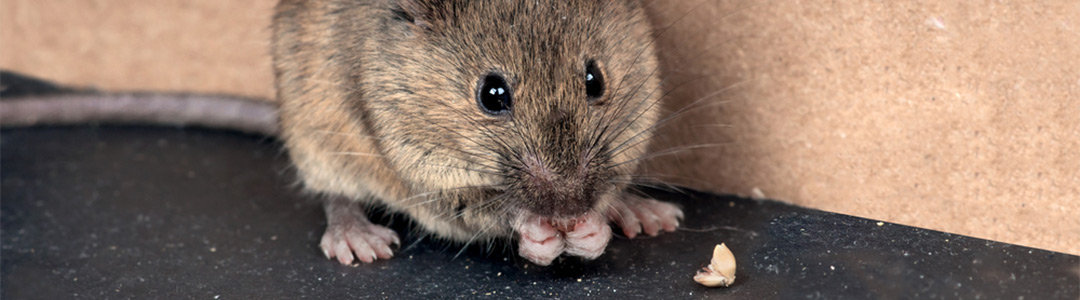
Mouse Control
Inspection, trapping or baiting strategies where appropriate, and prevention recommendations to reduce repeat activity.
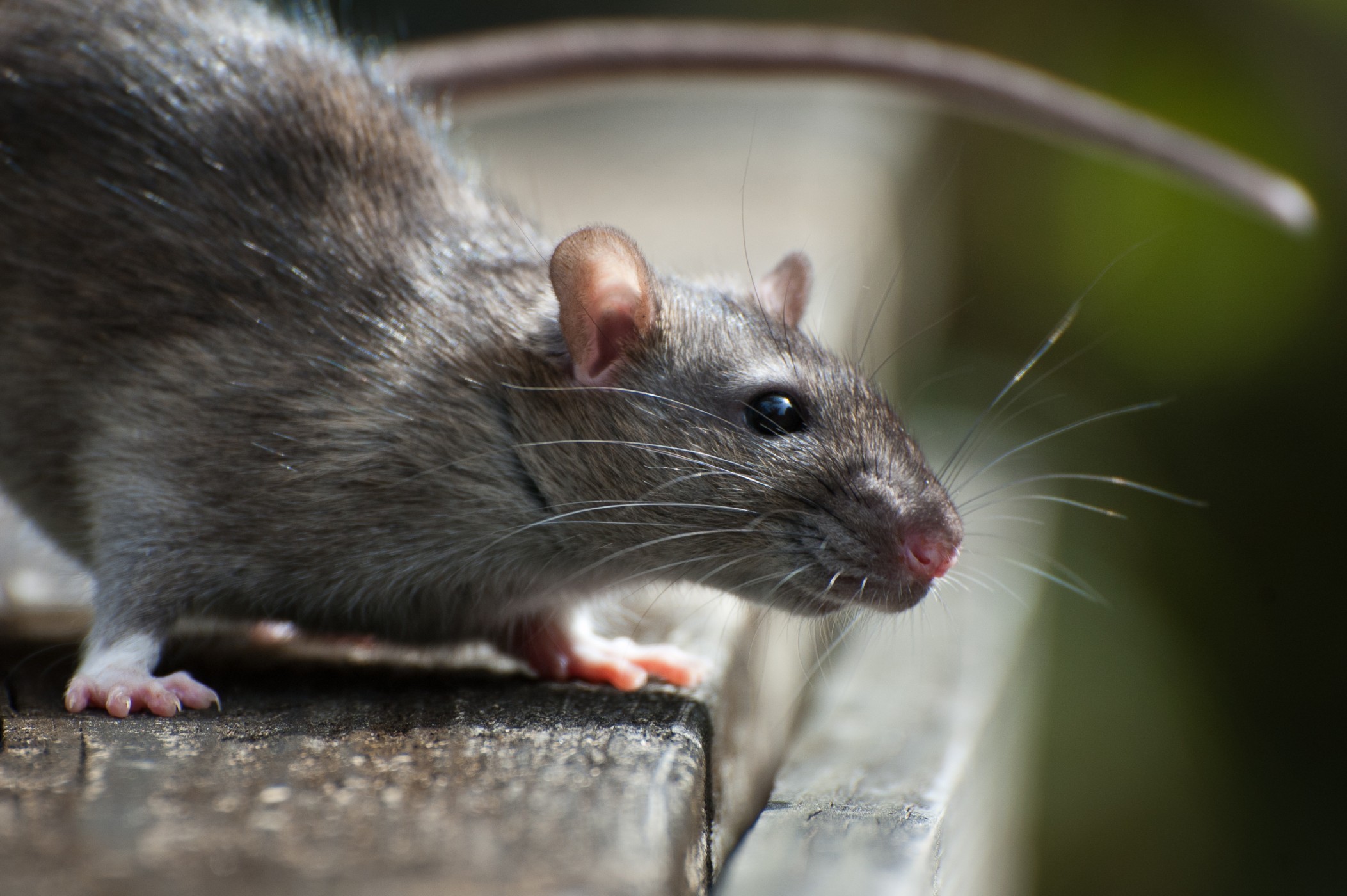
Rat Control
Targeted removal strategies plus entry point assessment to reduce re-entry risk, since rats often need a more focused plan than general mouse prevention.
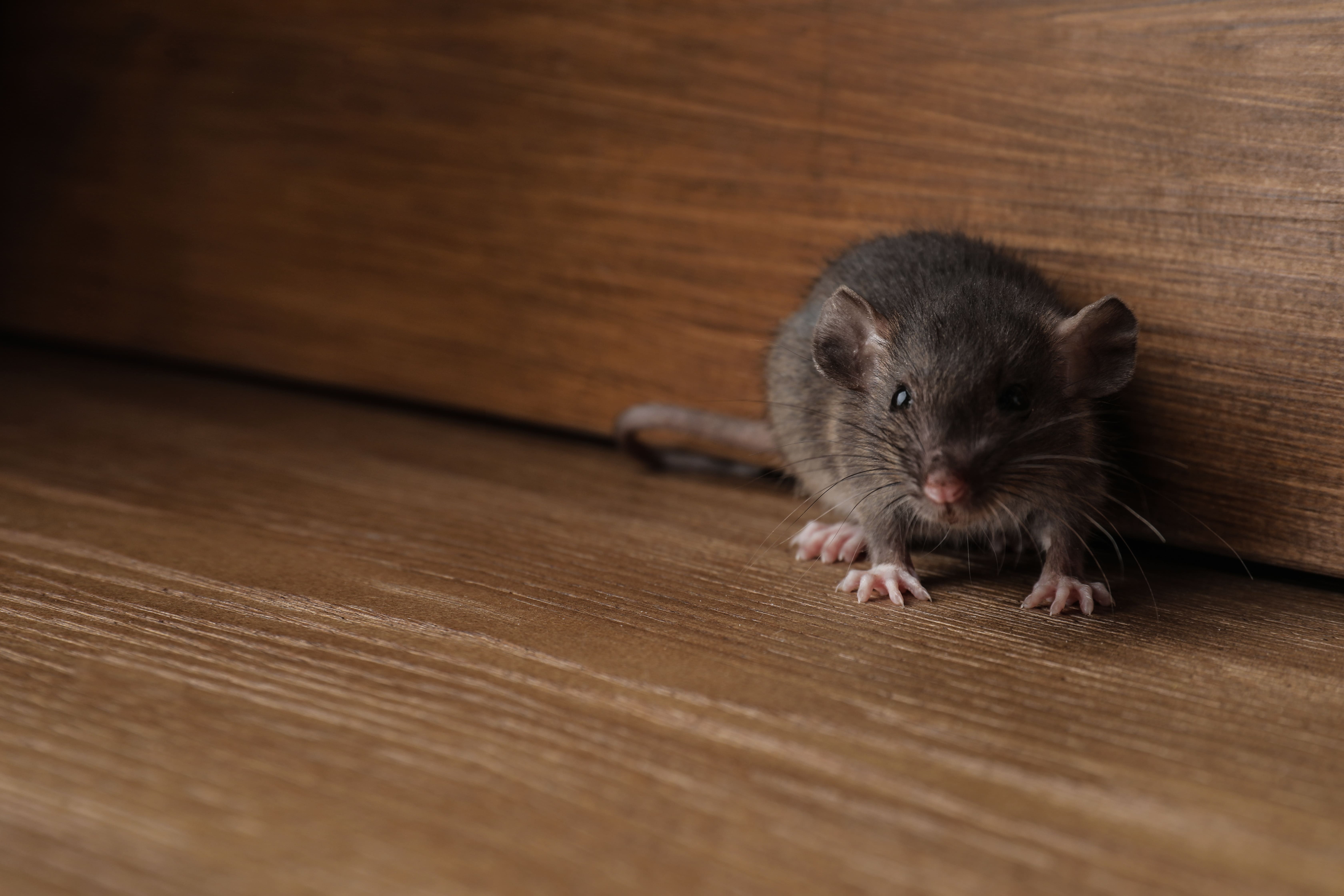
Vole and Shrew Control
Identification of activity areas and practical steps to reduce nesting, shelter, and access routes around the property.
If you’re also seeing signs of birds, bats, or other animals in the attic, our wildlife control services cover exclusion for those. And if insects are part of the picture too, our insect control services handle the rest.
Signs You May Have a Rodent Problem
Rodents often stay hidden. If you notice any of these signs, an inspection is the best next step.
- Droppings in cabinets, pantries, garages, or along walls
- Scratching or movement in walls, ceilings, or crawl spaces
- Gnaw marks on wiring, wood, or stored items
- Nesting material like shredded paper, insulation, or fabric
- Grease rub marks along baseboards and entry routes
- Pet behavior changes focused on a specific area
Rodent Control in Alaska: What You Get With Pied Piper
Treatment matched to mice, rats, or voles rather than one generic approach
We find how rodents are getting in, not just where they’re active
If a small issue is manageable on your own, we’ll tell you that too
Full residential pest control for homes, rentals, and multi-unit buildings
Compliance-minded commercial pest control for facilities and property managers
Our Rat Control Process
Rat control is most effective when removal and prevention work together. Our process focuses on solving the current problem and reducing the chance of it coming back.
Inspection and Assessment
We identify the rodent type, locate activity areas, and look for entry points and attractants. This tells us what to treat and why.
Targeted Removal Plan
Based on what we find, we use a targeted approach that may include trapping, baiting strategies, and monitoring, focused on the areas rodents actually use.
Exclusion and Prevention Guidance
Preventing repeat issues often comes down to closing access points and reducing attractants. We provide clear recommendations for sealing gaps and improving storage.
Follow-Up When Needed
If follow-up is recommended, we schedule it to verify results and adjust the plan based on what we see.
Rodent Prevention Tips for Alaska Homes
- Store food and pet food in sealed containers
- Secure garbage with tight-fitting lids
- Reduce clutter in garages, crawl spaces, and storage rooms
- Seal gaps around pipes, vents, and doors
- Address leaks and standing water where possible
- Check attics and crawl spaces each fall before temperatures drop
Why Rodent Control Matters
Rodents can contaminate food and surfaces, damage insulation, and chew wiring. Many infestations get worse quickly once temperatures drop and rodents seek warmth indoors, and national data backs up just how common that is:
Source: National Pest Management Association (Harris Poll survey)
For general safety and health information related to rodents, the CDC has guidance available: CDC: rodents and health.
Frequently Asked Questions
What is the most common rodent problem in Alaska?
Mice are one of the most common issues, especially when temperatures drop and they seek warmth indoors. Rats and voles can also be a problem depending on the property and location.
Why do rodents come inside during winter?
Rodents look for warmth, shelter, and reliable food sources. Small gaps around foundations, doors, vents, and utility lines can become entry points.
Do you offer rat-specific treatment?
Yes. Rat activity often needs a more targeted removal and entry-point plan than general mouse prevention, and we build that into your service once rats are confirmed during inspection.
Is rodent control safe for kids and pets?
We plan service with safety in mind and use targeted strategies. Tell us about children, pets, and sensitivities so we can choose the best approach for your space.
How can I reduce repeat rodent problems?
Reduce attractants, seal entry points, keep food secured, and address moisture issues. Prevention plus monitoring is usually the best long-term approach.
Schedule Rodent Control Today
If you’re hearing scratching, seeing droppings, or noticing other signs of rodents, call (907) 344-2538 or contact us to schedule an inspection. If you’re in the Wasilla area, our Wasilla pest control team handles the same mouse, rat, and vole activity common in Mat-Su garages and cabins. The same goes for Palmer, where our Palmer pest control team regularly finds rodent activity tied to feed storage and outbuildings. You can also browse our full range of pest control services if rodents aren’t the only concern on your property.